10 Best Pin Header Suppliers for Global Buyers
Choosing the right Pin Header supplier requires more than comparing unit prices. Global buyers need dependable electrical performance, stable production, and clear technical communication. A connector may look simple, yet its pitch, pin length, plating, insulation material, and solderability can affect an entire assembly.
Dr. Eric Bogatin, a respected signal-integrity authority, states, “Signal integrity is a system problem.” His point applies to every Pin Header selection. Contact resistance, crosstalk, mating force, and board layout must work together. A supplier with strong tooling control can reduce bent pins and inconsistent dimensions. Reliable manufacturers should also provide drawings, material specifications, inspection records, and traceable samples. Small details matter.
This guide reviews 10 Best Pin Header Suppliers for Global Buyers. It considers manufacturing experience, product range, customization capacity, quality systems, export support, and delivery consistency. Some suppliers focus on standard 2.54 mm headers. Others support fine-pitch designs, high-temperature plastics, right-angle configurations, or automated assembly.
Real purchasing decisions are rarely perfect. The cheapest quotation may hide higher rejection costs. A famous brand may not suit a low-volume project. Even a capable factory can struggle with unusual plating or packaging requirements. Buyers should request samples and test them under actual assembly conditions. Ask direct questions.
Check the details.
The selected suppliers are presented for practical comparison, not blind endorsement. Their strengths differ, and buyer requirements differ too. Engineers, sourcing teams, and distributors can use this overview to narrow options before requesting formal quotations and compliance documents.
Pin Header Basics and Their Common Industrial Applications
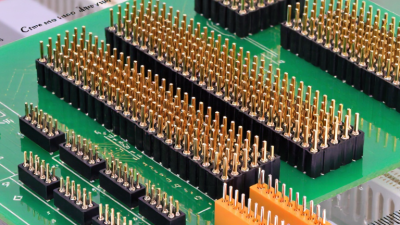
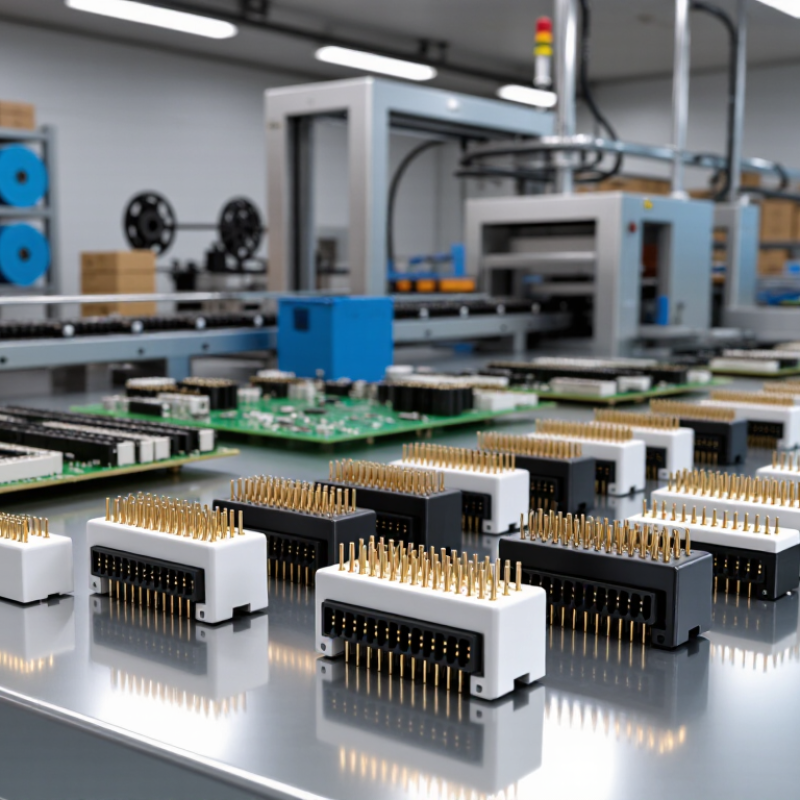
A pin header is a simple connector made from parallel metal pins molded into an insulating body. It joins circuit boards, wires, and control modules with removable or soldered connections. Common designs use one or two rows, with pitches such as 2.54 mm or 1.27 mm. Straight, right-angle, shrouded, and surface-mount versions suit different layouts.
Small connector, serious consequences. Contact material and plating affect conductivity, corrosion resistance, and mating life. Tin plating often suits general control equipment, while gold plating can support cleaner, repeated signal connections. Buyers should verify rated current, voltage, operating temperature, insulation resistance, and dimensional tolerance. A higher pin count is not automatically better. Tight spacing may complicate inspection and repair.
Pin headers appear in programmable controllers, industrial sensors, motor drives, test instruments, medical equipment, and power-control boards. In factory automation, right-angle headers can save cabinet space and guide cable routing. In compact instruments, low-profile headers reduce interference with covers. During supplier evaluation, request drawings, material declarations, sample testing, and production quality records. Visual checks alone miss weak solder joints or inconsistent pin retention. I have seen projects focus on price, then face delays from mismatched pitch. That choice seemed efficient at first. It was not. A reliable supplier should communicate tolerances clearly and support traceable inspection before shipment.
Key Criteria for Evaluating Global Pin Header Suppliers
Global demand is broad, but supplier quality varies sharply. Mordor Intelligence’s 2024 Connector Market report forecasts approximately 5.6% annual growth through 2029. That outlook supports disciplined screening, not automatic trust. Check pitch, row count, insulation material, contact plating, and rated current. Ask for controlled drawings. IEC 60603-13, or another applicable standard, should match the exact geometry. Request dimensional inspection records, material declarations, and lot-level traceability. RoHS and REACH statements matter, but certificates alone cannot prove process stability.
A 2024 analysis from Bishop & Associates places the connector industry above US$80 billion.
This scale makes capacity claims easy to exaggerate. Validate monthly output with recent production records, not polished presentations. Sample approval should include mating-force checks, solderability, retention, and temperature testing. Run samples through your own assembly line. Small fit errors become expensive stoppages. Evaluate lead-time history, tooling ownership, change-notice procedures, and corrective-action speed. An independent factory audit can expose weak inspection points. Yet audits are snapshots. Repeated lot testing is stronger evidence. Price still matters. A very low quote may hide thinner plating, unstable resin, or excluded tooling. I have learned that supplier scorecards can mislead when they reward paperwork over field performance. Keep a failure log, compare three lots, and question your own assumptions.
10 Best Pin Header Suppliers for Global Buyers
Global buyers need more than a long supplier list when choosing the ten best pin header suppliers.
MarketsandMarkets valued the electronic connectors market at about USD 84.6 billion in 2023. It projects roughly USD 109.1 billion by 2028. This growth increases sourcing options, but also increases quality differences.
A reliable supplier should provide 2.54 mm and 1.27 mm pitch options, clear drawings, and traceable material certificates. Check contact plating thickness, insulation temperature ratings, and solderability data. For dense control boards, compare vertical, right-angle, shrouded, and surface-mount designs. A practical shortlist should also verify sample consistency across several production batches. Small details matter.
Bishop & Associates’ connector industry research reported a global market near USD 84 billion in 2023. That figure shows the sector’s scale, not automatic supplier reliability. Ask each candidate for inspection records, change-control procedures, and realistic lead times. Confirm whether custom tooling, low-volume orders, and replacement parts are supported. Pricing can look attractive until packaging damage appears. A perfect ranking is impossible. I would still score the ten strongest suppliers against quality, engineering support, delivery stability, and documentation. Some published comparisons oversimplify these factors, which deserves careful review before a global purchase.
How to Select the Right Pin Header Supplier for Your Needs
Selecting the right pin header supplier requires more than comparing unit prices. Define the pitch, pin count, plating, insulator material, and operating temperature first. A reliable supplier should confirm tolerances with clear drawings, not vague catalog descriptions.
Request production samples and inspect them under magnification. Check straight pins, clean molding, consistent plating, and firm terminal retention. Ask for test data covering insertion force, contact resistance, and repeated mating cycles. During factory discussions, examine process control, material traceability, and inspection records. Experience matters here. A polished website does not prove stable production.
Evaluate capacity against your forecast, including peak demand and small trial orders. Confirm tooling ownership, lead times, packaging protection, and shipment labeling before approval. Ask how the supplier handles nonconforming parts and corrective actions. Their response often reveals more than a sales presentation. I have seen low quotations become expensive after poor plating caused field failures. Still, the cheapest option is not always wrong; it deserves evidence, not automatic rejection. Communication speed also matters when drawings change or a batch needs review. Keep written specifications, sample approvals, and acceptance criteria in one controlled file. Supplier audits may feel excessive for a simple connector, but hidden variation can stop an entire assembly line. A thoughtful selection process leaves room for doubt, testing, and revision.
10 Best Pin Header Suppliers for Global Buyers
How to Select the Right Pin Header Supplier for Your Needs
Pin Header Pitch Density Benchmark
This chart compares common pin-header pitches by showing the theoretical number of contact positions that can fit within 100 mm in a single row. Smaller pitches support higher connection density, while larger pitches generally provide more spacing for mating, inspection, and mechanical tolerance.
Calculation: 100 mm ÷ pitch, rounded to two decimal places. Actual product layouts depend on housing length, end margins, mounting features, and the supplier’s available tooling.

 Email
Email WeChat