What is the Best Socket Pin Header for Your Project?
In the world of electronics, choosing the right components is crucial. One of the keys to a successful project is the Socket Pin Header. This seemingly simple component plays a significant role in connecting circuits. It provides a reliable interface for various electronic devices. Yet, selecting the best Socket Pin Header isn’t straightforward. Different projects have unique requirements that make one header more suitable than another.
Consider the specifications. For example, header size, pin count, and spacing matter. A project might need a compact solution, while another can accommodate larger headers. Quality also varies. Some headers offer better durability than others. This variability can lead to unexpected challenges during assembly or usage. Reflecting on these factors is essential for any project designer. What worked in one scenario may not be ideal in another.
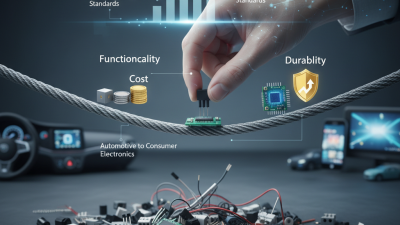
Moreover, there’s the aspect of compatibility. Not all headers fit all sockets. This can lead to confusion and delays. Evaluating your project's needs is vital. In the end, it's about balancing between performance and practicality when choosing the right Socket Pin Header. Each decision impacts the success of the project, often leading to lessons learned along the way.
Understanding Socket Pin Headers: Types and Specifications
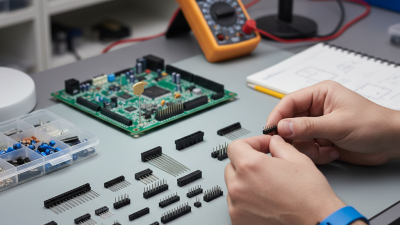
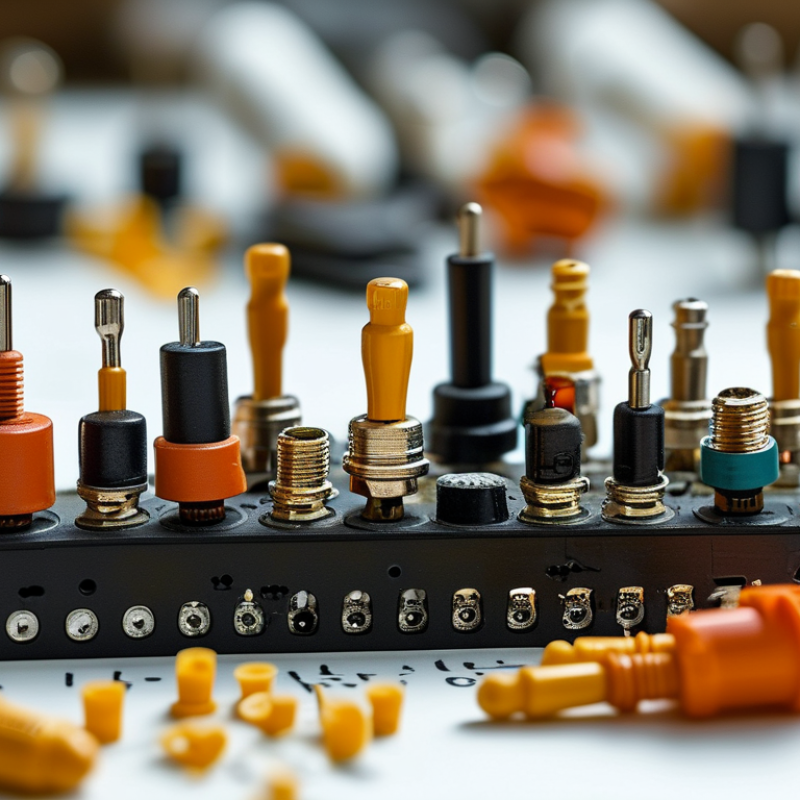
Socket pin headers are essential components in electronic projects. They allow for easy connections between a board and various modules or sensors. Several types of socket pin headers exist, each with unique specifications and characteristics suited for specific applications.
Among the most common types are single-row headers and double-row headers. Single-row headers are typically used in simpler setups, allowing for efficient space usage. In contrast, double-row headers offer increased connectivity, often chosen in cases requiring multiple connections. According to recent market analysis, single-row and double-row headers hold significant shares, reflecting their versatility in projects ranging from hobbyist endeavors to professional designs.
Specifications can include pin count, pitch size, and current ratings. The pitch is the distance between adjacent pins, commonly ranging from 2.54 mm to 1.27 mm. A study by the International Electronics Association noted that connectors with a smaller pitch can be beneficial in dense applications. However, careful consideration must be taken. Selecting a header with too many pins without a clear understanding of your project requirements can lead to complications down the line. Adapting the choice of pin header to specific needs often requires a nuanced approach.
Key Factors to Consider When Choosing Socket Pin Headers
When selecting a socket pin header for your electronics project, understanding the key factors is essential. First, consider the pin count. Different projects require various connections. Make sure to match the pin count with your circuit design. This can prevent future issues with compatibility.
Another crucial factor is the pitch size. The distance between pins can affect how tightly components fit together. Smaller pitches may be ideal for compact designs, while larger pitches offer ease of use during assembly. Always verify the dimensions with your PCB layout. A mismatch here can lead to frustrating delays.
Tips: If you're unsure about pin counts or pitch sizes, consult your project schematics or a knowledgeable colleague. Testing multiple configurations can also help you feel more confident in your choices. Collecting feedback early in the design phase will improve your final outcome and prevent costly errors later.
Applications of Socket Pin Headers in Various Projects
Socket pin headers are vital components in various electronic projects. They provide reliable connections in prototyping and circuit designs. Many applications use these headers, including microcontroller boards, sensors, and communication circuits. Their versatility makes them a go-to choice for hobbyists and professionals alike.
In robotics, socket pin headers simplify connections to motors and sensors. They allow easy swapping of components without soldering, helping minimize downtime. For wearable technology, they enable flexible design and quick adjustments. Their compact size ensures that even the most intricate designs remain functional.
Tip: Always choose the right pin configuration for your project needs.
Additionally, in IoT applications, these headers facilitate rapid prototyping and testing. They help connect various modules effortlessly. It's essential to understand the pinout layout to avoid connection errors. Incorrect wiring can lead to frustrating setbacks.
Tip: Keep a reference guide handy for pinout information.
Remember that not all headers are the same. Selection should be based on your circuit requirements and future expandability. It's worthwhile to experiment with different types to find what fits best.
Comparing Popular Socket Pin Header Brands and Models
When selecting a socket pin header, understanding your project's needs is crucial. Different applications demand varied specifications. Factors such as pin count, spacing, and materials play significant roles in performance. For instance, low-profile headers are often used in compact designs. They save space but may limit accessibility. Analyzing these features helps narrow down options effectively.
Popularity among brands doesn’t always equate to quality. Some lesser-known models offer impressive durability and performance. Researching user experiences can reveal strengths and weaknesses of different options. Reviews often highlight unexpected issues, such as connection reliability or soldering difficulties. One might find that a renowned brand has a tendency for higher failure rates. It's important to weigh these findings against your project’s requirements.
Additionally, consider the type of connectors used. Standard versus custom configurations can influence compatibility. Regularly updating your knowledge about emerging technologies will keep you informed. Some innovations may provide solutions to common challenges encountered in projects. Throughout this process, maintaining a critical eye on your choices is essential for achieving the best results.
Installation Tips for Socket Pin Headers in Your Projects
When installing socket pin headers, attention to detail is key. Begin by selecting a header that matches your project's specifications. Check the pitch and the number of pins to ensure compatibility.
One common tip is to prepare the PCB layout carefully. Ensure the holes are well-aligned with the pin headers. Misalignment can lead to functional issues. If you find yourself struggling, consider using a template for precision.
Another aspect to remember is soldering technique. Avoid overheating the pins, as this can damage both the header and the PCB. A steady hand will help you achieve clean joints. Practice soldering on scrap pieces to refine your skills. This will boost your confidence during the actual project.
These insights can significantly improve the installation process. Each project may present unique challenges, so adaptability is essential. Don’t rush through the steps; take your time to examine and adjust as needed.
What is the Best Socket Pin Header for Your Project? - Installation Tips for Socket Pin Headers in Your Projects
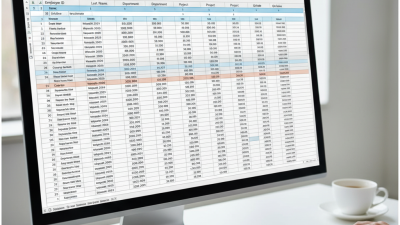
| Pin Header Type |
Number of Pins |
Pin Spacing |
Material |
Temperature Range (°C) |
Recommended Use Cases |
| Standard Pin Header |
2-40 |
2.54 mm |
Nickel Plated Brass |
-40 to 85 |
General Electronics, Prototyping |
| Low Profile Pin Header |
2-20 |
2.54 mm |
Gold Plated Copper |
-20 to 85 |
Space-Constrained Applications |
| Right Angle Pin Header |
2-40 |
2.54 mm |
Nickel Plated Brass |
-40 to 85 |
Board-to-Board Connections |
| Stackable Pin Header |
2-20 |
2.54 mm |
Gold Plated Copper |
-40 to 85 |
Modular Designs, Prototyping |

 Email
Email WeChat