Top Pin Header Socket Buyers Guide for Global Procurement Needs?
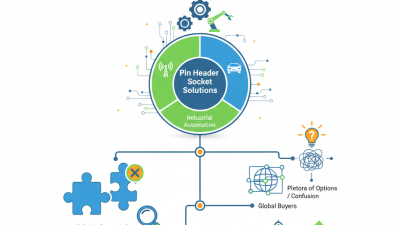
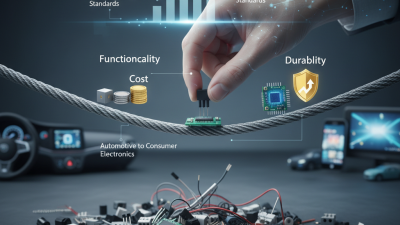
In the fast-evolving electronics industry, the significance of Pin Header Socket cannot be overstated. These components play a critical role in establishing reliable connections in various devices. According to a recent market analysis by MarketsandMarkets, the global connector market is projected to reach $75 billion by 2025, highlighting the increasing demand. Specifically, Pin Header Socket applications are driving a noteworthy portion of this growth, especially in the automotive and consumer electronics sectors.
Buyers must consider several factors when procuring Pin Header Sockets. Factors like durability, electrical performance, and environmental requirements are crucial. The IEC 60529 standard emphasizes the importance of selecting products that meet specific ingress protection ratings. Such guidelines ensure reliability and longevity in diverse applications. However, many procurement professionals encounter challenges with quality assurance and supplier reliability. Reports from the Connector Supplier indicate that nearly 30% of procurement issues are linked to inconsistent quality.
It is essential to reflect on the complexities surrounding global procurement of Pin Header Sockets. Understanding supplier capabilities and market trends is vital. Although comprehensive data is available, buyer education remains a challenge. Significant gaps in knowledge can lead to costly mistakes. In this dynamic landscape, informed decision-making will empower buyers to meet their global procurement needs more effectively.
Understanding Pin Header Sockets: Types and Applications
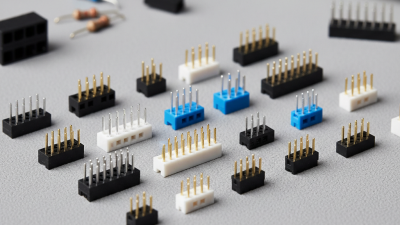
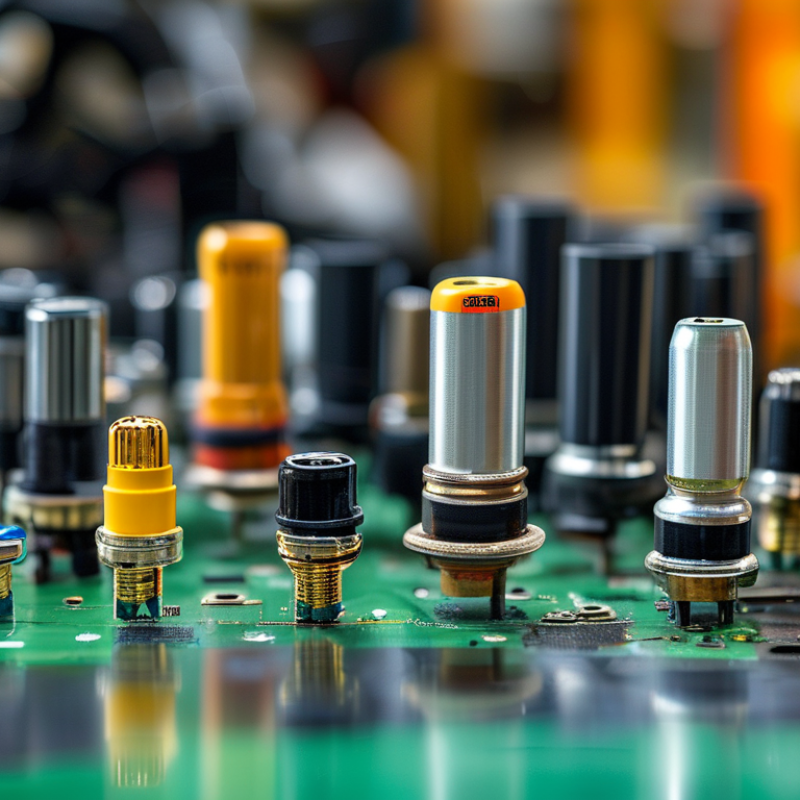
Pin header sockets are essential components in electronic designs. They create reliable connections between printed circuit boards (PCBs) and other devices. Understanding the different types available is crucial for various applications. Generally, pin header sockets come in single or double-row configurations. Each has its unique use cases and benefits.
Single-row pin headers are compact and often used in space-restricted designs. They provide a simple connection in less complex circuits. On the other hand, double-row sockets, which have more pins, handle more complex connections. This feature makes them suitable for high-density applications.
Additionally, consider the materials used in construction. High-quality plastics and metal ensure durability. However, not all materials perform well under extreme conditions. Poor material choices can lead to failures. Users should also reflect on their specific needs, such as voltage and current ratings, before making selections. Balancing quality with cost is often a challenge. Regular assessments of application requirements can lead to better procurement choices.
Top Pin Header Socket Buyers Guide for Global Procurement Needs
| Type |
Pin Count |
Material |
Application |
Operating Temperature (°C) |
| Standard Pin Header |
2 to 40 |
Brass with Tin Plating |
PCB Connections |
-40 to 105 |
| Right Angle Pin Header |
2 to 20 |
Phosphor Bronze |
Compact Devices |
-40 to 125 |
| Dual In-line Header |
6 to 40 |
Nickel-Plated Steel |
Connector Applications |
-40 to 85 |
| Stackable Header |
10 to 30 |
Tin-Plated Brass |
Modular Connections |
-40 to 105 |
Key Factors to Consider When Sourcing Pin Header Sockets
When sourcing pin header sockets, several key factors come into play. Understanding the specifications is vital. These components are available in various sizes and pin configurations. Knowing the application can guide you in selecting the correct type. A mismatch can lead to improper connectivity or even device failure.
Quality assurance is another aspect to consider. Not all manufacturers maintain the same standards. Look for suppliers with certifications that ensure reliability. It’s essential to review samples before making bulk purchases. This approach helps in assessing material quality and solderability, which are crucial for performance.
Additionally, keep pricing in mind but don’t compromise on quality. Lower-priced options may seem appealing, yet they can lead to higher long-term costs. Consider lifecycle costs and potential repairs. Taking time to reflect on these factors can improve overall procurement decisions, leading to more successful projects.
Top Global Suppliers and Manufacturers of Pin Header Sockets
Pin header sockets play a crucial role in electronic assemblies. They facilitate connections between printed circuit boards and other components. Selecting the right manufacturer is essential for quality and reliability. Many global suppliers specialize in producing durable, high-performance pin header sockets. These manufacturers ensure rigorous testing and quality assurance processes.
When considering suppliers, it's vital to assess their expertise. Look for companies with a proven track record in the industry. Ideally, they should have certifications to back their claims. Reliability matters; delays can disrupt production schedules. Some manufacturers may focus too narrowly on certain specifications, neglecting broader application needs.
Exploring multiple sources can lead to better decisions. Not all suppliers offer the same level of service or product range. Some may have limited customization options or inconsistent lead times. Gather reviews and feedback from peers. This step helps to create a reliable shortlist of potential suppliers. Addressing these factors ensures that the choice of pin header sockets meets your project's requirements effectively.
Pin Header Socket Global Procurement Preferences
This bar chart illustrates the global procurement preferences for pin header sockets based on various specifications. The data reflects the market demand for different pin counts across several regions.
Critical Quality Standards and Certifications for Pin Header Sockets
When selecting pin header sockets, understanding critical quality standards is essential for global procurement. Various certifications ensure that these components meet industry requirements. These include ISO standards and UL certifications. Having recognized certifications indicates that a product has undergone rigorous testing.
Many buyers often overlook the importance of electrical performance. A pin header socket should have a reliable connection and excellent conductivity. Lack of proper quality can lead to failures in electronic devices. Understanding standards like IEC 60512 can guide buyers in making informed choices.
The material used in the sockets significantly impacts their durability. For instance, the insulator must withstand heat and mechanical stress. Common materials like thermoplastics can sometimes degrade prematurely under certain conditions. Buyers should reflect on the trade-offs involved in material selection. Observing these quality standards not only enhances product selection but also builds trust in the supply chain.
Best Practices for Sourcing and Procurement of Pin Header Sockets
When sourcing pin header sockets, companies often overlook critical factors. Quality is essential, as it affects overall system reliability. Many buyers focus too heavily on cost, ignoring the importance of specifications and certifications. Understanding the technical requirements ensures that the sockets will meet performance needs in specific applications.
Communication with suppliers is vital. Misunderstandings can lead to incorrect orders and delays. Using precise terminology helps avoid confusion. It's crucial to ask for samples before finalizing any orders. This practice allows for testing product fit and performance in real-world conditions. Engaging with experienced suppliers can provide insights into recent innovations and industry trends.
Market research is another key aspect of sourcing. Understanding the supply chain dynamics can reveal potential risks. Buyers should consider geopolitical factors that might affect delivery. Keeping updated on market fluctuations creates better negotiation opportunities. Balancing cost and quality is challenging. Suppliers with a proven track record often offer better long-term value, despite higher upfront costs.

 Email
Email WeChat