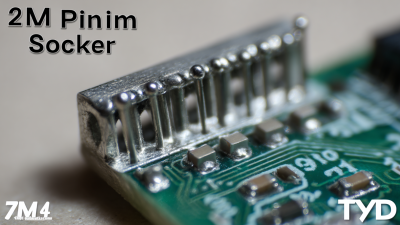
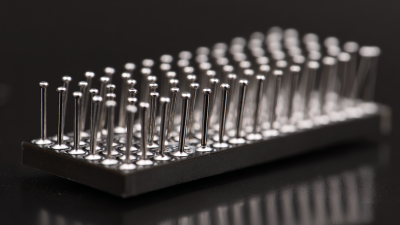
Why Choose a 2mm Pin Header Socket for Your Projects?
In modern electronics, the choice of connectors significantly impacts project success. One component gaining attention is the 2mm Pin Header Socket. According to a report by Market Research Future, the global connector market is expected to exceed $50 billion by 2025. This growth is driven by the increasing demand for reliable and compact connectivity solutions.
Leading industry expert Dr. Emily Chen, a specialist in electronic components, states, "The 2mm Pin Header Socket offers a unique blend of small size and high durability." This makes it ideal for various applications, from consumer electronics to industrial machines. The low-profile design facilitates smoother circuit layouts and enhances overall performance.
However, choosing the right socket isn't always straightforward. Designers must consider factors like pin count, spacing, and material quality. A poorly chosen connector can lead to failures that affect performance. Therefore, understanding the nuances of the 2mm Pin Header Socket is crucial for engineers aiming to create efficient and reliable electronic systems.
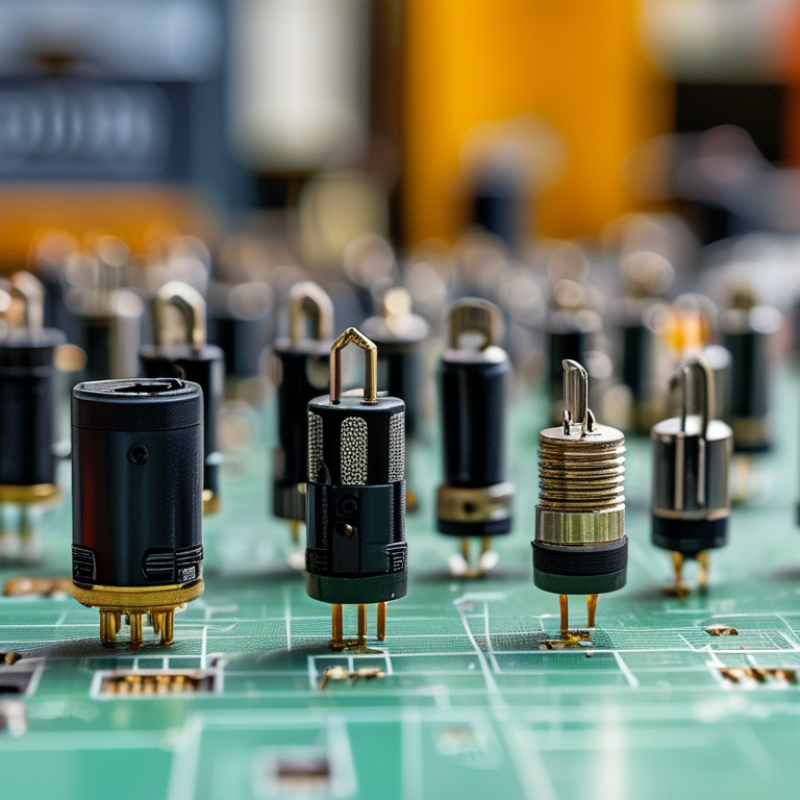
Benefits of Using a 2mm Pin Header Socket in Electronic Projects
When selecting components for electronic projects, a 2mm pin header socket stands out for several reasons. This socket type is popular for its compact size, allowing for high-density connections. According to a recent industry report, 2mm pin headers can save up to 30% more space than their larger counterparts. This space efficiency is crucial in today’s electronics, where miniaturization is a prevailing trend.
Durability is another significant benefit. These sockets are designed to withstand repeated insertions and removals. They often feature gold or tin plating, which enhances connection reliability. A study from the Electronics Reliability Institute showed that properly used 2mm pin headers maintain a failure rate of less than 0.1% after 1,000 insertions. This longevity can reduce maintenance costs in the long term.
However, it’s critical to consider limitations. For projects requiring higher current ratings, a 2mm pin header might not suffice. Additionally, if your project has specific environmental needs, you must choose materials carefully. While the convenience of 2mm sockets is undeniable, not every project will benefit equally from them. Understanding your requirements is key to making the right choice.
Key Features of 2mm Pin Header Sockets You Should Know
When selecting components for your electronics projects, the type of pin header socket can make a significant difference. A 2mm pin header socket is often preferred due to its compact size and reliable performance. This specification allows for tighter arrangements, ideal for small-scale circuit designs. The 2mm spacing helps in maintaining a neat layout, especially when space is at a premium.
One of the key features of 2mm pin header sockets is their durability. They are built to withstand repeated insertions and removals. This is essential in prototyping stages where components may need frequent changes. Another significant aspect is their versatility; they come in various configurations, including through-hole and surface mount types, accommodating diverse project requirements. The socket's design also supports multiple soldering methods, enhancing reliability.
Despite their advantages, some may find the 2mm sockets challenging to work with for specific applications. For instance, less experience in soldering can sometimes lead to poor connections. Aligning the pins accurately can be tricky as well. Users must therefore pay attention to these details. It's a learning curve but can lead to better project outcomes. The right approach, paired with patience during assembly, will typically yield a functional and efficient design.
Comparing 2mm Pin Header Sockets with Other Sockets
When it comes to pin header sockets, the 2mm variant stands out due to its compact size. This smaller pitch allows for higher density connections, making it ideal for intricate projects. Many engineers gravitate toward these sockets when space is limited. Compared to 2.54mm sockets, the 2mm sockets offer more flexibility in design.
Another key factor is the reliability of connections. The 2mm pin header socket provides a snug fit that reduces the chances of disconnection. In high-vibration environments, this quality is crucial. While 2.54mm sockets are easier to handle, their larger spacing may not always meet the requirements of modern applications.
One might wonder if 2mm sockets are worth the effort. Handling them can be tricky due to their size. If you're not meticulous, misalignment may occur. Yet, their advantages in space-saving and reliability often outweigh these challenges. Experimenting with both types can provide insight into which suits your projects best.
Comparison of 2mm Pin Header Sockets with Other Socket Types
Applications and Use Cases for 2mm Pin Header Sockets
2mm pin header sockets are increasingly popular in various electronic projects, thanks to their versatility and compact size. They are widely used in applications such as Arduino boards, robotics, and consumer electronics. According to a 2022 industry report from TechSci Research, the global market for pin header sockets is expected to grow substantially, driven by the expanding electronics industry.
In robotics, these sockets provide a reliable connection for sensors and actuators. They facilitate seamless communication between components, ensuring smooth operation. Moreover, DIY electronics enthusiasts find 2mm pin header sockets ideal for custom circuit boards. They are easy to solder and integrate into designs, which lowers the barrier for prototyping.
Tips: When using 2mm pin header sockets, ensure your components are compatible. It’s crucial to check the specifications of each socket to avoid connectivity issues during assembly. Remember that misaligned pins can lead to malfunction. Periodically reviewing your connections can help maintain system integrity.
Why Choose a 2mm Pin Header Socket for Your Projects? - Applications and Use Cases for 2mm Pin Header Sockets
| Application |
Description |
Features |
Typical Use Cases |
| Consumer Electronics |
Used for connecting various electronic components. |
Compact design, easy soldering. |
Smartphones, tablets, and home appliances. |
| Embedded Systems |
Facilitates connections between microcontrollers and peripherals. |
High reliability and durability. |
Arduino projects, robotics, and IoT devices. |
| Industrial Automation |
Connects sensors and actuators in automation systems. |
Resistant to harsh environments. |
Manufacturing machinery and conveyor systems. |
| Prototyping |
Ideal for custom circuit designs and testing. |
Quick assembly and disassembly. |
Development boards and prototype devices. |
| Robotics |
Connects motors, sensors, and controllers. |
Lightweight and low-profile. |
Robotic arms, drones, and mobile robots. |
Tips for Selecting the Right 2mm Pin Header Socket for Your Needs
When selecting a 2mm pin header socket, consider the type of project you’re working on. These sockets are often used in electronics for more compact connections. They offer versatility and are suitable for various applications, including microcontroller boards and sensors. Ensure the pin count matches your design requirements precisely. An incorrect pin count can lead to misalignments and connectivity issues.
Material quality is another critical factor. Look for sockets made with durable materials like plastic or metal. This choice affects the longevity and reliability of your connections. Pins should be sturdy and capable of withstanding multiple insertions. Check the specifications for current and voltage ratings, as these can vary significantly among different models.
Sometimes, smaller sockets can lead to frustration during assembly. They need better precision while soldering. Make sure to practice good soldering techniques to ensure stable connections. It’s essential to test your setup with a multimeter before finalizing any design. This practice can save you headaches later on in your project. Always remain open to adjusting your approach based on the feedback from your testing process.

 Email
Email WeChat