2026 How to Choose the Right Pin Header Socket for Your Needs?
Choosing the right Pin Header Socket is crucial for any electronics project. With countless types and specifications, the task can be overwhelming. Each pin header socket serves a purpose and possesses unique features, making informed choice essential.
The right socket enhances connectivity and reliability in circuit design. Factors to consider include pin count, spacing, and mounting style. A mismatch can lead to performance issues. Common mistakes arise from overlooking these details.
Gathering knowledge about Pin Header Sockets is impactful. Researching various options can prevent costly errors. However, over-analyzing can also create confusion. Striking a balance is key to making effective decisions.
Understanding the Basics of Pin Header Sockets
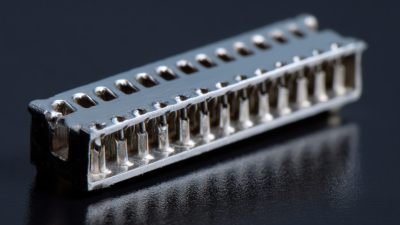
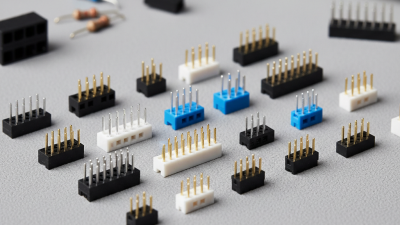
When considering pin header sockets, understanding their basics is crucial. These components are widely used in electronic devices. They enable connections between different circuit boards and modules. A pin header socket consists of a plastic housing and metal pins. The housing holds the pins securely in place and ensures reliable connections.
Different types of pin header sockets exist in the market. Variations in pin count and spacing can affect compatibility. Pay attention to the pitch size, which often ranges from 0.1 to 0.15 inches. The number of pins depends on the specific application. Some may require only a few pins, while others need dozens. Choosing the right configuration is essential for efficient functionality.
A common mistake is overlooking material specifications. The metal used affects conductivity and durability. Using a socket with poor-quality materials can result in failure over time. It is vital to weigh your options carefully to avoid issues later. Always consider the environment in which the component will operate. Heat and moisture can impact performance. Understanding these basics will guide you in making the right choice.
Identifying Your Specific Project Requirements
Choosing the right pin header socket requires careful consideration of your project requirements. Understanding the specific functionalities you need is crucial. Begin by evaluating the voltage and current ratings your project demands. It’s essential to ensure compatibility with your components. Also, consider the physical size and pin configuration; these factors play a vital role in achieving a reliable connection.
Identify the environment where the socket will be used. Will it be exposed to moisture or dust? Choose materials that can withstand these conditions for enhanced reliability. The number of pins is another critical factor. Too few pins could limit your project’s capabilities, while too many could complicate the design unnecessarily.
When assessing your options, think about testing and troubleshooting later. Using sockets that are easier to connect and disconnect can save time. Reflect on the ease with which replacements can be made; accessibility should not be an afterthought. A simple design can often provide the most reliability in practical applications.
Choosing the Right Pin Header Socket for Your Project Needs
Evaluating Different Types of Pin Header Sockets
When selecting a pin header socket, understanding the different types is crucial. Pin header sockets come in various configurations, including single and dual rows. Each type serves different needs in electronic applications. Dual-row sockets are typically more compact and suitable for high-density connections. Single-row options, on the other hand, are easier to work with for larger components.
Material quality also significantly affects performance. High-quality sockets often use metal contacts and durable plastics. These materials ensure better conductivity and longevity, reducing the risk of connection failure. However, some affordable options may compromise on quality, leading to issues over time. Always consider the environment where the socket will be used. For instance, sockets exposed to moisture may require special coatings to prevent corrosion.
You might find it useful to explore the pin pitch, the distance between pins. A finer pitch allows for more compact designs but can be challenging to solder. Conversely, a larger pitch can make assembly easier but may take up more space on a board. Keep this balance in mind. In the end, the right choice of pin header socket is about aligning your specific requirements with the options available, ensuring durability and functionality.
2026 How to Choose the Right Pin Header Socket for Your Needs?
| Type |
Number of Pins |
Pitch (mm) |
Current Rating (A) |
Material |
Application |
| Standard Pin Header |
2-80 |
2.54 |
3.0 |
Brass |
General Prototyping |
| Low Profile Pin Header |
2-40 |
2.54 |
2.0 |
Nickel Plated |
Compact Designs |
| Stacking Pin Header |
5-60 |
2.54 |
5.0 |
Tin Plated |
Modular Connections |
| Right Angle Pin Header |
2-50 |
2.54 |
3.0 |
Brass with Gold Plating |
PCB to PCB Connections |
Key Factors to Consider When Choosing Pin Header Sockets
When selecting a pin header socket, several key factors come into play. The first factor is pin spacing, often measured in millimeters. Proper spacing ensures a snug fit and reliable connection. Common spacings include 2.54 mm and 1.00 mm. The choice largely depends on your project requirements.
Another crucial aspect is the number of pins. Consider the total number of connections needed. Too few pins may lead to malfunction, while too many can complicate the design. Some projects might require a mixed approach, which can lead to confusion.
Handling and durability are also essential. Look for materials that can withstand repeated insertions. A poorly constructed socket might bend or break, resulting in failure. This could disrupt the entire project, causing delays and added costs.
Tips: Always verify the specifications before purchasing. Check the environmental ratings if your project is sensitive to conditions. Consider how often you will need to replace or maintain your connection. This might save you time and resources in the long run.
Tips for Sourcing Quality Pin Header Sockets
When sourcing quality pin header sockets, understanding specifications is key. According to a recent industry report, the global market for connectors is expected to reach $70 billion by 2025. This substantial growth underscores the importance of choosing the right components for your projects.
Select sockets that meet your specific application requirements. Consider factors such as pin pitch, current rating, and mounting style. Many manufacturers provide detailed datasheets, which can help you make informed choices. It's important to assess the material and plating options, as they impact durability and performance.
It's often overlooked, but testing samples before committing to large orders is crucial. Small variations in production can lead to compatibility issues. Remember to review not just technical specifications but also customer feedback on reliability. This dual approach can reveal insights into the long-term performance of different products.

 Email
Email WeChat