How to Choose the Right Industrial Connector for Your Needs?
Choosing the right Industrial Connector can be a complex decision. The market is filled with options, each designed for specific applications. According to a recent report by Research and Markets, the industrial connector market is expected to grow at a CAGR of 5.2% from 2021 to 2026. This growth highlights the importance of selecting the appropriate connectors to ensure safety and efficiency in industrial settings.
Expert insight from John Smith, a leading authority in the field, emphasizes the need for careful consideration. He states, "Selecting the wrong Industrial Connector can lead to significant operational setbacks." Understanding the unique requirements of your machinery and environment is crucial. For instance, connectors must withstand various factors, such as temperature fluctuations and exposure to moisture.
Moreover, many users overlook the importance of compatibility. Choosing connectors that do not align with existing systems could result in malfunction or failure. It's vital to analyze specifications and consult with manufacturers. Relying solely on cost can be misleading. A cheap connector may save money initially but could lead to larger expenses over time due to failures. Therefore, knowledgeable decisions are essential in the Industrial Connector selection process.
Understanding the Different Types of Industrial Connectors Available
Choosing the right industrial connector can significantly impact your project's success. Different types of industrial connectors serve unique functions, making understanding these variations crucial. According to a recent industry report, the global industrial connector market is expected to reach $7 billion by 2026, reflecting significant demand for diverse applications.
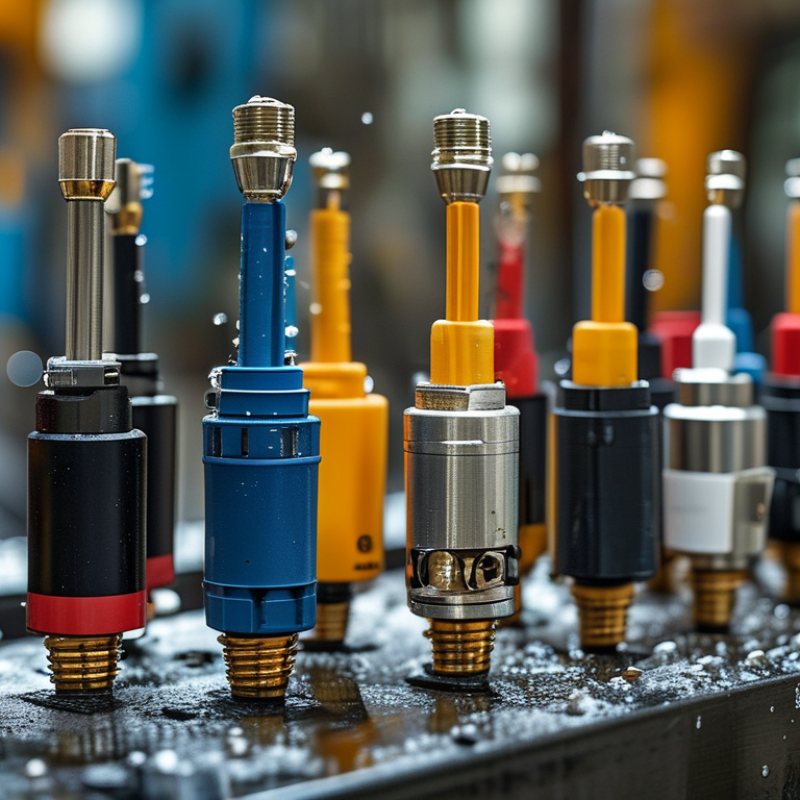
Common types of industrial connectors include circular connectors, rectangular connectors, and cable assemblies. Circular connectors are often used in environments with limited space, offering robust, reliable connections. Rectangular connectors tend to provide more versatile configurations for larger data throughput. Cable assemblies are ideal for specific applications, allowing custom lengths and specifications. Selecting the right type hinges on your specific requirements, such as environmental conditions and electrical specifications.
Tips: Consider the connector's IP rating for environmental factors. Higher ratings indicate better protection against dust and moisture. Always assess the current and voltage ratings to avoid overload issues. If a connector regularly fails, reassess its compatibility with your equipment. Reliability is key; don’t overlook the importance of quality assurance during the selection process.
Key Factors to Consider When Choosing an Industrial Connector
When selecting an industrial connector, several critical factors come into play. Understanding the environment is vital. For instance, connectors used in rugged outdoor settings must withstand harsh weather conditions. Conversely, connectors in controlled environments, like factories, can prioritize efficiency and ease of access.
Next, consider the compatibility of your chosen connector. This involves not just ensuring it fits the equipment but also examining voltage, current ratings, and signal integrity. Mismatched specifications can lead to inefficiencies. Size and space constraints also matter. In tight spaces, a smaller connector may be essential, yet it must not compromise performance.
Another aspect to evaluate is durability. Industrial connectors face wear over time, so selecting materials that resist corrosion and mechanical stress is important. Also, think about ease of installation and maintenance. Complicated connectors can lead to installation errors and prolonged downtimes. Being proactive about potential issues and rectifying them before they arise is key to long-term reliability.
Assessing Environmental Conditions for Connector Performance
Choosing the right industrial connector hinges on understanding environmental conditions. Manufacturers often underestimate the impact of temperature, humidity, and exposure to chemicals. Research shows that over 40% of connector failures stem from these environmental factors.
Temperature extremes can cause thermal expansion, affecting performance. Connectors must withstand the specific temperature ranges of their applications. Humidity can lead to corrosion. According to a study conducted by the International Electrotechnical Commission, connectors exposed to high humidity can see a 30% reduction in lifespan.
Chemical exposure presents another challenge. Certain materials degrade faster when in contact with specific solvents or acids. Selecting the wrong connector can lead to significant project delays and increased costs. The National Electrical Manufacturers Association notes that using unsuitable connectors can increase maintenance costs by up to 25%. Therefore, understanding these environmental conditions is key to avoiding failures and ensuring long-term reliability.
Evaluating Electrical and Mechanical Specifications
When choosing an industrial connector, evaluating both electrical and mechanical specifications is essential. Start by understanding the electrical requirements such as voltage, current ratings, and insulation resistance. These factors will influence the connector's performance in various environments. A connector must match the power demands of your application. Failure to do so can lead to inefficient operation or even damage.
Next, consider mechanical specifications. Look at materials and designs that provide durability. Connectors often face harsh conditions including vibrations, moisture, and dust. Ensure that the chosen connector has a suitable ingress protection (IP) rating. This rating indicates its resistance to elements. An overlooked detail can compromise system reliability.
Lastly, reflect on the connector's mounting options and size constraints. Not all connectors fit easily in every space. Choosing the wrong size can complicate installation. It’s also worth noting that some connectors may not perform well under specific loads. Each aspect requires careful deliberation. Take your time and consider multiple scenarios before making a final decision.
Budget and Cost Considerations in Connector Selection
When selecting industrial connectors, budget and cost considerations can significantly impact decision-making. According to a report from the International Electrotechnical Commission, connector prices often vary widely based on specifications like material and design complexity. This emphasizes the need to align your requirements with available budgets.
Understanding your application is vital. For instance, outdoor applications may necessitate rugged designs, which are generally more expensive. Evaluate the total cost of ownership. Sometimes, lower upfront costs may lead to higher long-term expenses due to maintenance or replacements.
Tip: Work with suppliers who provide detailed cost breakdowns. This transparency helps in making informed choices.
Keep in mind that connector choices can influence overall project budgets. A recent study indicated that improper selection can increase costs by up to 25%. Consider future scalability too. Investing in versatile connectors may save costs as your needs evolve.
Tip: Conduct a risk assessment to identify potential costs associated with connector failures.

 Email
Email WeChat