Top 10 Board To Board Connector Types You Should Know?
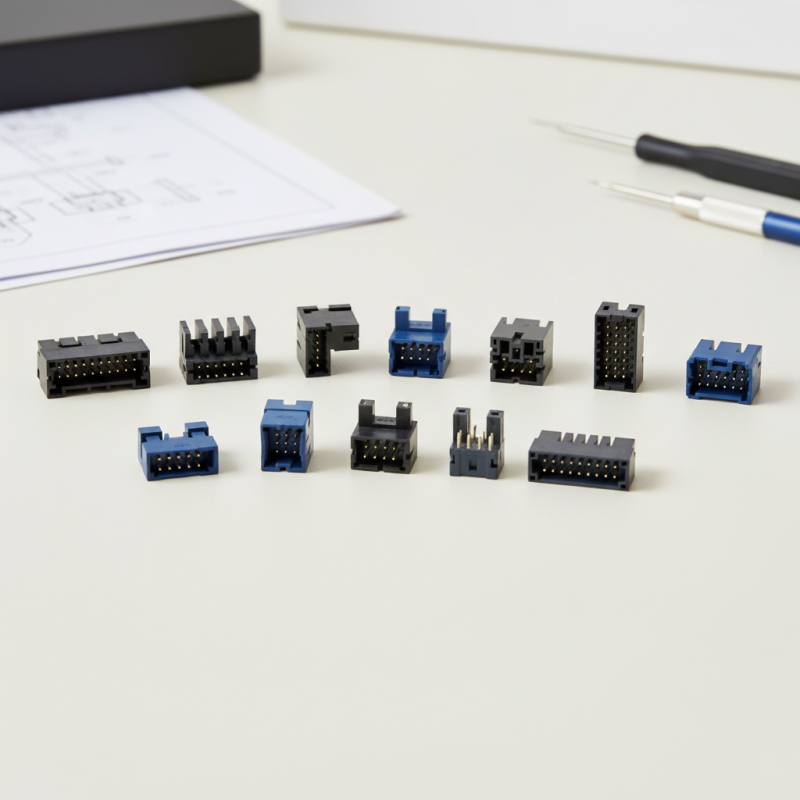
Board to Board Connectors play a crucial role in modern electronic design. They enable efficient communication between two circuit boards in various applications. Understanding different types is essential for engineers and designers.
As technology advances, so does the demand for reliable and compact connectors. Each connector type presents unique benefits and challenges. Choosing the right Board to Board Connector ensures optimal performance and durability.
This guide will explore the top 10 Board to Board Connector types you should know. We will highlight their features, advantages, and potential drawbacks. By considering these factors, you can make informed decisions for your projects.
Overview of Board to Board Connectors
Board-to-board connectors play a crucial role in modern electronics. They provide a reliable interconnection between different circuit boards. These connectors are vital in applications ranging from consumer electronics to industrial machinery. Reports from market research indicate that the global market is expected to grow significantly, projected to reach USD 10 billion by 2025, driven by increasing miniaturization in electronics.
Choosing the right type is essential. There are various types, such as mezzanine connectors and stacked connectors. Each type serves a specific function based on spacing requirements and electrical characteristics. A study highlighted that improper selection can lead to connectivity issues and increased manufacturing costs. Therefore, understanding connector specifications is paramount.
Tip: Before selecting connectors, consider the board spacing. The right distance can enhance performance and longevity. Additionally, always refer to technical datasheets for accurate specifications. Regularly reviewing connector designs is crucial for optimizing board layouts. While many resources are available, the effectiveness largely depends on proper assessment and analysis. Balancing technical needs with design constraints can lead to improved outcomes.
Types of Board to Board Connectors and Their Applications
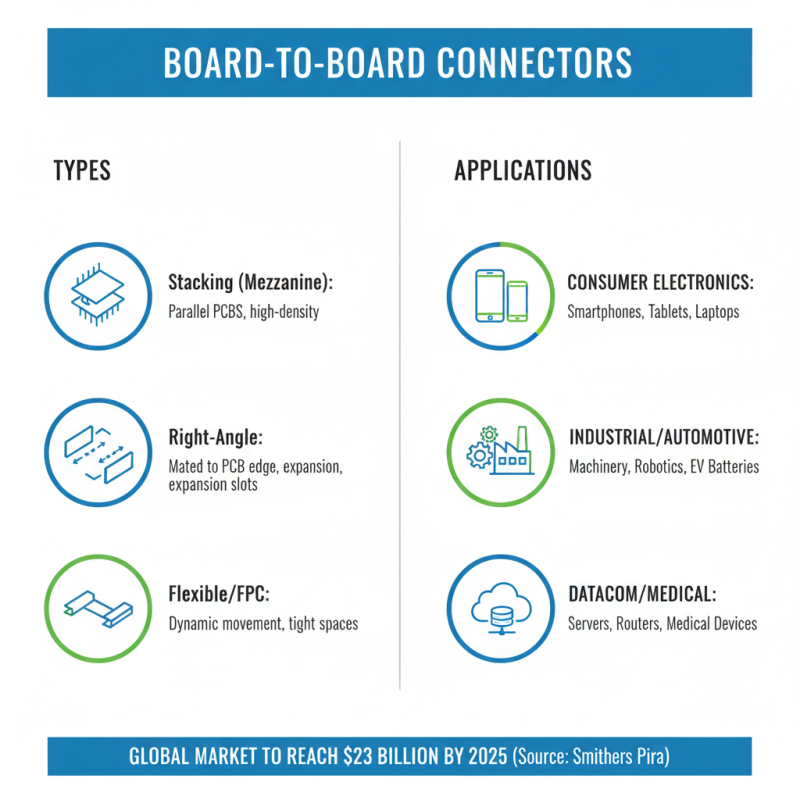
Board-to-board connectors are vital in modern electronics. They facilitate communication between multiple printed circuit boards (PCBs) in devices like smartphones, tablets, and computers. According to a recent industry report by Smithers Pira, the global market for these connectors is projected to reach $23 billion by 2025. This growth highlights their importance in various applications, from consumer products to industrial machinery.
Different types of board-to-board connectors exist, catering to specific needs. For example, mezzanine connectors are popular in compact designs. They offer a compact form factor while enabling high-speed data transmission. Another important type is the stacked connector, which minimizes surface space. However, these connectors often face challenges, such as alignment and soldering. Learning to manage these can improve reliability, a key factor for long-term use.
The choice of connector greatly impacts the efficiency of the electronic system. Factors such as pin pitch and current rating must be considered carefully. Many engineers still struggle with these selections, underlining the need for thorough design reviews. These factors contribute to the overall performance, making the right connector choice essential in a competitive market. Understanding these details is crucial for success in electronic design.
Key Features and Specifications of Popular Connectors
When exploring board-to-board connectors, it's essential to consider their features and specifications. These connectors are vital for creating reliable electrical connections between two circuit boards. According to a report by Technavio, the global board-to-board connector market is expected to grow by 8% annually. This trend highlights the increasing demand for more efficient connector solutions in various industries.
Different types of connectors serve diverse applications. For example, mezzanine connectors are known for their low-profile designs and high-density connections. They can handle data rates up to 25 Gbps, making them suitable for advanced computing applications. Another noteworthy type is the pin header, which offers versatility and is commonly used in consumer electronics. However, the complexity of connector designs can lead to challenges in compatibility and assembly processes.
Many manufacturers are focusing on reducing the size and weight of connectors. Micro connectors, for instance, are favored in space-constrained environments. Despite their advantages, these smaller connectors may result in mechanical fragility. A delicate balance between performance, size, and durability is often difficult to achieve. As technology continues to evolve, the industry faces the challenge of meeting both miniaturization demands and reliability standards.
Factors to Consider When Choosing Board to Board Connectors
When selecting board-to-board connectors, multiple factors demand attention. Understanding your application’s needs is vital. Consider the pitch size, which affects the connectors' density and layout. A smaller pitch allows for compact designs, but it may complicate assembly. Ensure the connector’s durability aligns with your product’s lifespan.
Material selection is pivotal. Use connectors made from reliable materials that resist corrosion. This improves their longevity. Additionally, examine the electrical specifications. Voltage and current ratings should match your application's requirements. Do not forget about the thermal performance; overheating can cause failures.
Tips: Test different connectors in real-world scenarios. Sometimes, theoretical specifications do not translate perfectly into practice. Another piece of advice is to think about future scalability. As technological demands increase, having adaptable connectors can save time later. Keep in mind that the ideal connector type can vary greatly depending on specific project needs. Choose wisely and thoughtfully for optimal performance.
Current Trends in Board to Board Connector Technology
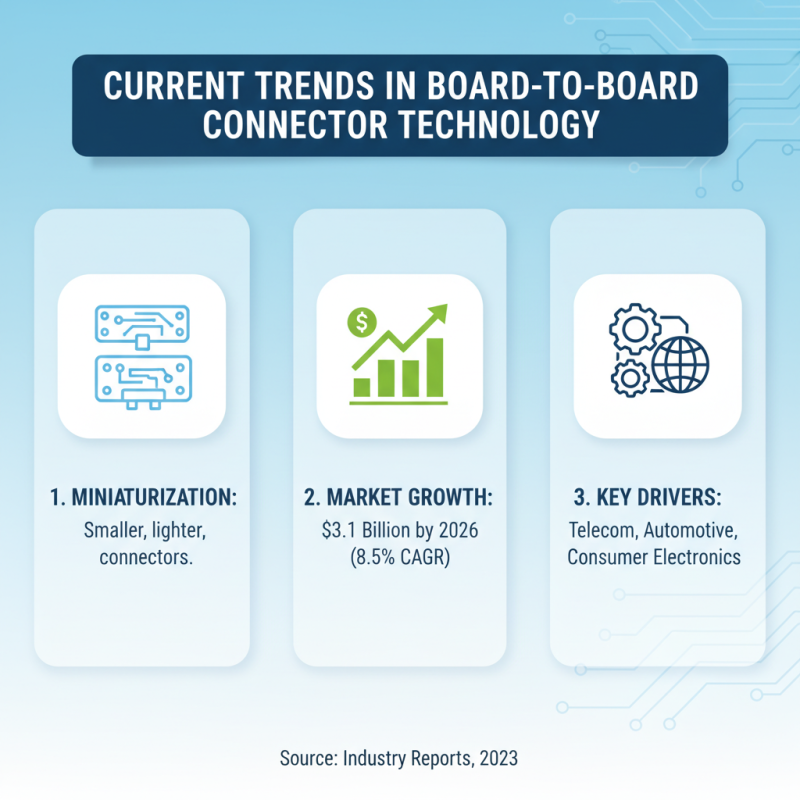
As board-to-board connector technology evolves, several trends have emerged that shape the industry. The demand for smaller, lighter connectors continues to rise. Reports suggest that the global board-to-board connector market is projected to reach $3.1 billion by 2026, growing at a CAGR of 8.5%. This growth is driven by the increasing need for miniaturization in electronic devices across various sectors, including telecom, automotive, and consumer electronics.
The integration of advanced materials and design techniques is another current trend. High-speed data transmission is essential in today's applications. Many manufacturers are exploring new combinations of materials to enhance performance and durability. This includes the use of high-temperature plastics and advanced plating techniques. However, these innovations can also lead to challenges in manufacturing consistency, affecting reliability.
**Tips:** When choosing board-to-board connectors, consider the application requirements. This includes factors like pitch size, stacking height, and insulation resistance. Conduct thorough testing to ensure the connectors meet specifications and performance goals. Stay updated on industry standards to avoid compliance issues as regulations evolve. Regularly reevaluate your connector solutions to address potential failures and optimize system performance.

 Email
Email WeChat