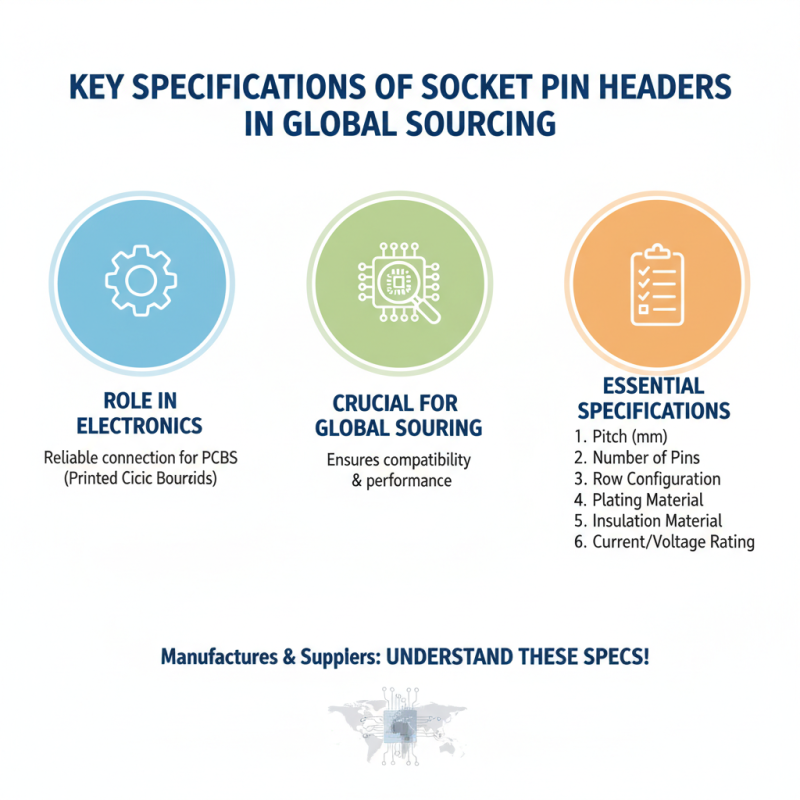


Socket Pin Header plays a crucial role in electronic connections, particularly in global sourcing. As industries evolve, understanding socket pin headers becomes essential for manufacturers. A report by MarketsandMarkets indicates the connector market is expected to reach $79 billion by 2027. Such growth underscores the importance of reliable connections in technology today.
The socket pin header ensures secure electrical connections in various applications. For example, it connects circuit boards and facilitates communication between components. According to a study by ResearchAndMarkets, the demand for socket pin headers is projected to rise due to increased automation. This trend reflects how embedded systems are becoming more integral in electronics.
However, sourcing these components can be challenging. The quality of socket pin headers varies significantly among suppliers. Companies must carefully evaluate suppliers to ensure product reliability. Reports indicate that poor sourcing decisions can lead to higher costs and delays. Thus, understanding the nuances of socket pin headers is vital for effective global sourcing strategies.
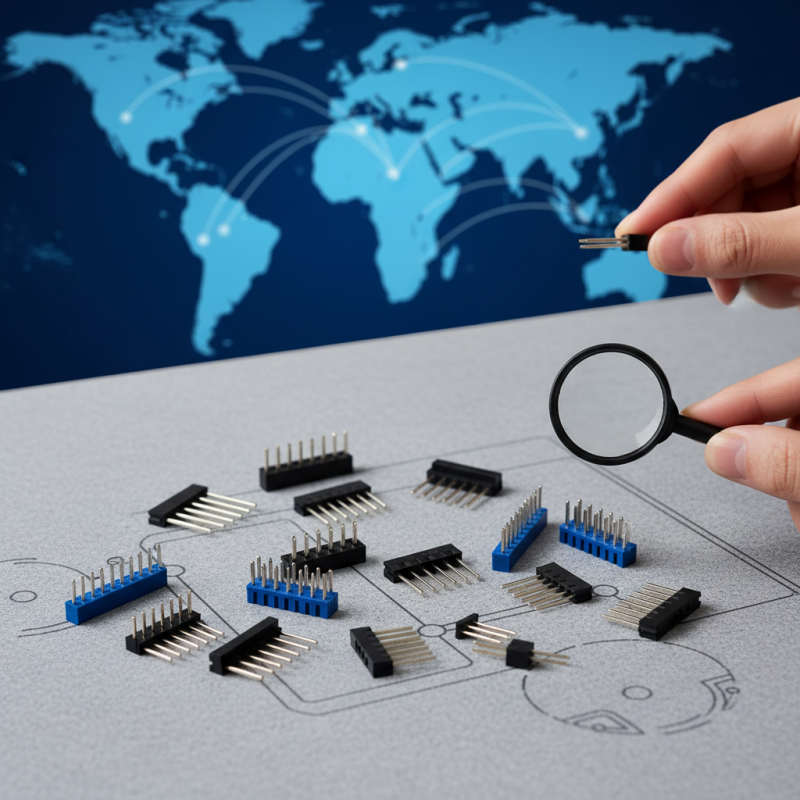
Socket pin headers are essential components in many electronic devices. They allow for easy connections between circuit boards and components. Understanding their structure and function is crucial for manufacturers and engineers.
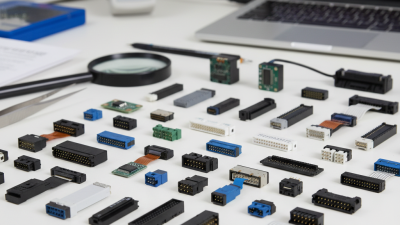
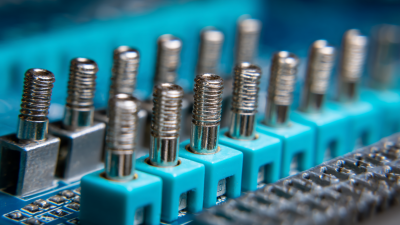
These headers consist of a row of pins sticking out from a plastic base. They provide a reliable connection point for other components, like sockets or plugs. When designing a circuit, ensure the pin header matches your specifications. Check the number of pins and their spacing to avoid compatibility issues.
**Tip:** Always verify the current and voltage ratings of your socket pin headers. This ensures they can handle your device's requirements without overheating.
When sourcing these components globally, consider quality and standards. Poor-quality pin headers can lead to failures. Always review supplier certifications. This minimizes risks in your production line.
**Tip:** Create a checklist for sourcing. Include functionality and quality checks. This will simplify your decision-making process.
| Feature | Description | Common Applications | Connector Types |
|---|---|---|---|
| Definition | A socket pin header is a type of electrical connector that is used to join two parts of a circuit, typically featuring pins that can be soldered to a printed circuit board. | Computers, robotics, consumer electronics | Male Pin Headers, Female Socket Headers |
| Functionality | Facilitates easy connection and disconnection within electrical devices; ensures stable electrical connections. | Integrated circuits, prototyping boards, automotive electronics | Stacking Headers, Right Angle Headers |
| Material | Typically made from copper for the pins and plastic for the housing, ensuring durability and conductivity. | Circuit boards, modular devices | Surface Mount, Through-Hole |
| Configuration | Available in various pin counts and arrangements, including single-row and double-row configurations. | Single-board computers, sensors | Header Strips |
| Benefits | Cost-effective manufacturing, ease of assembly, compatibility with a variety of devices. | Consumer gadgets, IoT devices | Custom Pin Headers |

Socket pin headers play a crucial role in electronics and global sourcing. They serve as a reliable means of connecting various components on PCBs. Understanding their specifications is essential for manufacturers and suppliers.
The key aspects of socket pin headers include pin configuration, pitch size, and current ratings. Most socket headers come in pin configurations like 2x4 or 1x10. Industry reports indicate that the standard pitch size ranges from 2.54 mm to 1.27 mm. These dimensions impact the density and layout of components on a board. High-density applications often require precise measurements.
Additionally, current ratings are vital for performance. Many socket pin headers can handle currents from 1 A to 3 A, depending on the material and design. A study by industry experts suggests that improper ratings can lead to overheating and, ultimately, product failure. This highlights the importance of thorough testing and compliance with international standards. Sourcing quality components that meet these specifications can significantly affect the reliability of electronic devices in the market.
Socket pin headers are crucial components in electronic assemblies. They facilitate connections between circuit boards and components. Recently, their demand has surged due to the rise in consumer electronics and automotive applications. This trend points to a strong correlation between innovation and market growth.
Supply dynamics tell a complex story. Manufacturers face challenges in sourcing raw materials. This delay affects the overall production and distribution timelines. Additionally, geopolitical factors have created uncertainties around manufacturing locations. Companies must navigate these complexities carefully.
The market is evolving rapidly. Technological advancements push manufacturers to adapt. They need a flexible approach to meet changing customer demands. Shorter lead times and reliable quality are crucial for success in this competitive landscape. Building strong relationships with suppliers can help mitigate some risks.
Socket pin headers are essential components in various electronic assemblies. Understanding their quality standards and certifications is critical for global sourcing. According to a report by IPC, the global electronics industry is expected to grow steadily, increasing demand for reliable socket pin headers.
Quality assurance is paramount. For all socket pin headers, certifications like ISO 9001 ensure consistent quality management practices. A recent study highlighted that 85% of manufacturers prioritize components with established certifications. This trend indicates a shift towards quality amidst rising competition. However, many suppliers struggle with compliance, leading to potential gaps in quality assurance.
In the realm of certifications, RoHS and REACH compliance are essential for market acceptance, especially in Europe. Failure to meet these standards can lead to costly recalls. Interestingly, a survey revealed that only 70% of global suppliers are fully compliant with RoHS. This statistic shows the importance of due diligence in sourcing. Choosing suppliers who regularly update their certifications can help mitigate risks and ensure product reliability in the long run.
Socket pin headers are crucial components in various electronic devices. When sourcing these components globally, several cost factors come into play. The material, manufacturing processes, and volume needed significantly influence pricing. Reports indicate that sourcing from regions with lower labor costs can lead to savings of up to 30%. However, quality cannot always be assured in low-cost markets, making supplier evaluation essential.
Understanding sourcing strategies can streamline procurement. Establish long-term relationships with manufacturers to negotiate better terms. Bulk purchasing often yields discounts, but be mindful of storage costs. Data shows that organizations can reduce their procurement costs by as much as 20% through effective supplier management. It's vital to assess each vendor's capability and reliability meticulously.
Tips:
1. Always request samples before placing large orders. This prevents quality issues later.
2. Prioritize suppliers with certifications to ensure compliance with industry standards.
3. Regularly review supplier performance to adapt your sourcing strategy as needed.