What is Male Header Pins and How Are They Used?
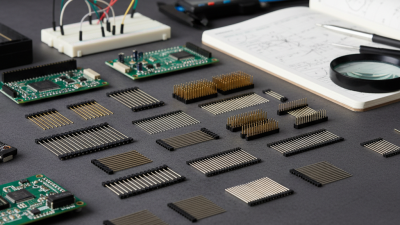
Male Header Pins are integral components in electronics, connecting various devices on a circuit board. According to a recent industry report, the global market for connector pins is expected to grow significantly, reaching $8 billion by 2025. This growth highlights the rising demand for reliable connectors in modern technology.
These pins serve multiple functions. They create connections between microcontrollers, sensors, and various modules. Their versatility makes them a preferred choice in DIY electronics and professional applications alike. However, selecting the right male header pins can be challenging. Consideration must be given to size, pin count, and compatibility.
While the benefits of male header pins are clear, some challenges exist. Misalignment during assembly can lead to connection failures. Moreover, variations in quality among manufacturers may affect performance. Continuous improvement and testing are essential to ensure reliability. The male header pins landscape is evolving, and staying informed is crucial for designers and engineers.
What Are Male Header Pins?
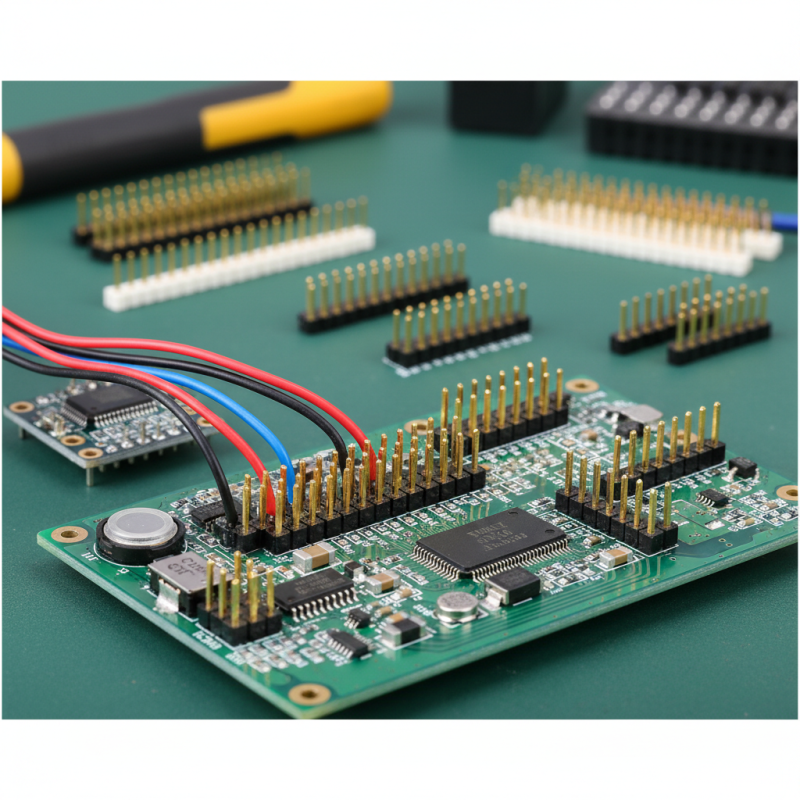
Male header pins are essential components in electronics. They serve as connectors that allow various devices to interface with one another. These pins typically feature a row of metal prongs and are designed to fit into female headers on printed circuit boards (PCBs) or other component housings.
The design of male header pins varies, but common types include straight or angled options. They can come in different lengths and widths, depending on the application. Some pins even have mounted holes, which provide additional stability. When integrating male header pins, it’s crucial to ensure proper alignment. Misaligned pins can lead to short circuits or component failure.
Using male header pins can be straightforward but often requires attention to detail. An individual manufacturer’s requirements or specifications can cause confusion. Testing connections after assembly is essential but often neglected. Failing to check for proper connections can result in malfunctioning devices. Adopting a meticulous approach during installation helps avoid these pitfalls.
The Structure and Design of Male Header Pins
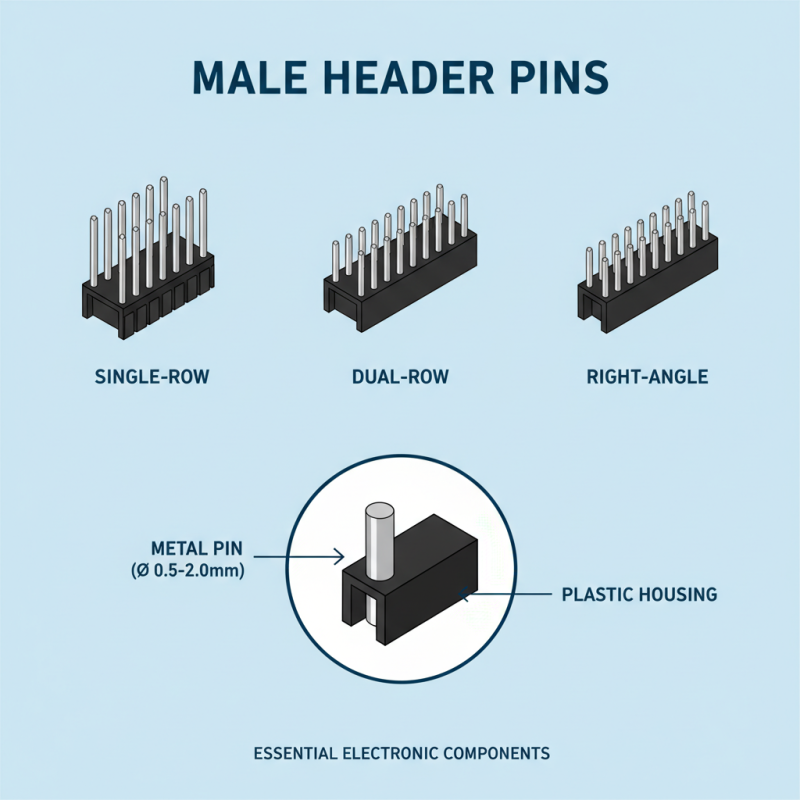
Male header pins are essential components in electronics. They come in various designs. The typical structure consists of a metal pin, soldered onto a plastic base. The pin diameter can range from 0.5 mm to 2.0 mm, depending on the specific application. A standard male header can feature multiple pins, often arranged in a row or a grid.
The design of male header pins emphasizes functionality and ease of use. The plastic housing protects the pin connections. This design helps prevent shorts and enhances durability. According to a recent industry report, the male header pin market is expected to grow by 5% annually. This growth highlights their importance in modern electronic devices.
Manufacturers often face challenges in achieving precise dimensions. A slight variation can lead to connection failures. Quality control is crucial in production. Many factors, such as temperature and material choice, can affect performance. As technology evolves, so will the requirements for header pins. This constant change demands ongoing innovation in design and manufacturing processes.
Common Applications of Male Header Pins in Electronics
Male header pins are essential components in the world of electronics. They provide connectivity between circuit boards and various peripheral devices. Their robust design helps ensure stable connections, making them popular in numerous applications. According to industry reports, the global connector market is projected to reach $75 billion by 2025, reflecting the growing demand for these components.
In consumer electronics, male header pins are widely used in devices like laptops and smartphones. They allow for easy assembly and disassembly, which is critical for repair and upgrades. Automotive applications also benefit from these connectors, enhancing communication between vehicle systems. Data from the International Electrotechnical Commission shows that smart vehicle technologies are driving an increased need for reliable connections.
Tip: Always choose the right pin pitch for your application to ensure compatibility.
Moreover, male header pins are vital in robotics and automation. They interface sensors and controllers seamlessly. However, it's important to consider that incorrect pin configurations can lead to failures. In environments with vibration, the connection may loosen. A slight oversight in design could compromise entire systems.
Tip: Perform regular checks on pin connections to prevent unexpected failures.
In summary, male header pins play a significant role in various electronic applications. Their importance cannot be overstated, yet careful consideration is needed during design and implementation to avoid common pitfalls.
Installation Techniques for Male Header Pins
When installing male header pins, proper technique is essential. These pins connect circuit boards. If misaligned, the connection may fail. The pins should fit snugly into female connectors. Start by aligning the pins with the holes. Apply gentle pressure to insert them evenly. Too much force can bend the pins, causing damage.
After insertion, check the alignment. Ensure that all pins are straight. If some are crooked, remove them and start over. It is a tedious process. Patience is necessary. This is where many beginners struggle. They may rush, leading to mistakes.
Once the header pins are seated correctly, soldering is next. Heat the soldering iron and add solder at the base. Allow it to flow smoothly. Too much solder can create shorts. If unsure, practice on scrap material first. This will build confidence and skill. Mastery comes with experience, so keep practicing.
Differences Between Male and Female Header Pins
Male header pins are essential components in various electronic devices. They consist of metal pins that can connect to printed circuit boards (PCBs). Their design allows for easy insertion into female header sockets. This functionality is essential for creating reliable electrical connections in circuits.
When comparing male and female header pins, the differences are significant. Male pins protrude outward, allowing them to fit into sockets. In contrast, female pins are designed to receive these pins. This distinction is crucial for ensuring proper connections in a circuit. Each type has its specific use cases, often depending on the space available and the design requirements of the device.
However, using these components may not always be straightforward. Misalignment can occur during assembly, leading to connection issues. Sometimes, people overlook the difference in pin spacing. This oversight can cause components not to fit together correctly. Proper planning and careful handling are necessary to avoid these mistakes. Understanding how these header pins function can streamline the building process of electronics.
What is Male Header Pins and How Are They Used? - Differences Between Male and Female Header Pins
| Feature |
Male Header Pins |
Female Header Pins |
| Definition |
Pins that protrude from a connector |
Holes that receive the pins |
| Usage |
Typically used for connecting to PCB or sockets |
Used to connect to male pins |
| Common Material |
Metal (brass or similar) usually coated |
Plastic housing with metal contacts |
| Electrical Connection Type |
Pin-to-socket connection |
Socket-to-pin connection |
| Example Applications |
Microcontrollers, sensors |
Device interfaces, variable connections |

 Email
Email WeChat