How to Choose the Right Plc Connector for Your Needs?
Choosing the right PLC connector is crucial for ensuring optimal performance in industrial automation. According to a report by Technavio, the global market for PLC connectors is expected to grow by 8% annually over the next five years. This growth emphasizes the need for professionals to select the right components to meet their specific requirements.
Expert Mark Johnson from Automation Experts noted, "The right PLC connector can significantly improve communication efficiency in your systems." His insight underscores the importance of understanding the technical specifications and compatibility of PLC connectors before making a decision. With so many options available, navigating this market can be challenging.
Remember, selecting a PLC connector is not just about aesthetics or brand. It's about functionality, reliability, and future-proofing your systems. Reflecting on your specific needs is essential. Finding the ideal PLC connector may require time and research, but it ultimately leads to better system integration and performance.
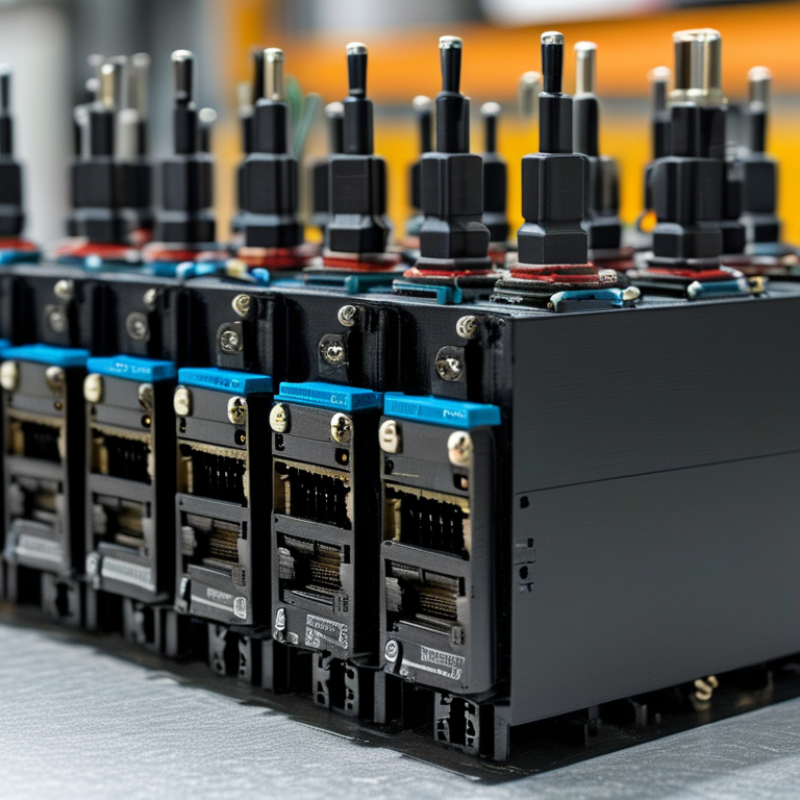
Factors to Consider When Selecting PLC Connectors for Industrial Applications
When selecting PLC connectors for industrial applications, several factors should be taken into account. First, compatibility with your existing system is crucial. Connectors must fit the specific PLC types and ensure effective communication among devices. According to a recent industry report, nearly 30% of malfunction issues arise from improper connections. This underlines the importance of choosing the right connector based on the equipment specifications.
Durability is another key factor. Industrial environments often expose connectors to extreme temperatures, moisture, and vibrations. Reports indicate that connectors rated for harsh conditions extend system longevity by up to 40%. Choosing connectors with materials that resist corrosion and other environmental factors can enhance reliability, ensuring less downtime.
Lastly, consider the ease of installation and maintenance. Some connectors are designed for quick connections and disconnections, saving time during setup and repairs. However, users sometimes overlook this aspect, which can lead to inefficiencies. An informed choice can help streamline operations and reduce the total cost of ownership over time. Ensuring that the selected connectors meet these critical factors can significantly impact operational success.
Understanding Different Types of PLC Connectors and Their Specifications
Choosing the right PLC connector involves understanding different types and specifications. PLC connectors are crucial in industrial automation. They ensure reliable communication between control systems and field devices. Common types include circular connectors, rectangular connectors, and modular connectors. Each type serves specific needs, influenced by applications and environments.
Circular connectors are often favored for their durability. They are robust and can withstand harsh environments. Rectangular connectors, on the other hand, are ideal for space-constrained applications. Modular connectors allow for flexibility, enabling users to customize connections based on their requirements. Selecting the wrong type can lead to issues, such as intermittent connections or signal loss.
Consider environmental factors when choosing connectors. Humidity, temperature, and exposure to chemicals can affect performance. It's vital to assess these conditions carefully. Additionally, proper installation is critical. Even the best connectors can fail if not correctly mounted. Review all options and specifications before making a decision. Evaluating your specific needs is essential in this process.
How to Choose the Right Plc Connector for Your Needs?
| Connector Type |
Pin Count |
Current Rating |
Voltage Rating |
Max Temperature |
Common Applications |
| Push-In Connector |
8 |
10 A |
250 V |
85°C |
Sensor connections |
| Screw Terminal Connector |
16 |
10 A |
300 V |
105°C |
Power Supply connections |
| IDC Connector |
10 |
5 A |
230 V |
70°C |
Data communication |
| Circular Connector |
12 |
16 A |
500 V |
125°C |
Industrial automation |
| RJ45 Connector |
8 |
0.5 A |
48 V |
75°C |
Networking |
Compatibility: Ensuring PLC Connectors Match Your Control System Requirements
When selecting PLC connectors, compatibility is crucial. Each control system has unique requirements. A reliable connector should match the specifications of the PLC it supports. According to recent industry reports, over 70% of operational issues are linked to misaligned connectors. Ensuring your connector meets these standards can save time and costs.
Consider the pin configuration and voltage ratings carefully. Some connectors may look similar but differ in performance. Ensure the connector can withstand environmental factors, such as temperature and humidity. Research shows that connectors exposed to extreme conditions can fail, leading to expensive downtimes. A robust connection aids in smoother operations and enhances system longevity.
One important detail is the material used in connectors. High-quality materials can improve signal integrity. Look for connectors with good shielding and insulation. This reduces the risk of interference, especially in dense setups. There’s always a risk of overcomplicating the selection process. Sometimes simpler is better, especially for smaller operations or low-stakes environments.
Evaluating Environmental Conditions for PLC Connector Durability and Performance
When selecting a PLC connector, environmental conditions play a critical role in durability and performance. Factors like temperature, humidity, and exposure to chemicals can significantly affect the lifespan of the connector. Conduct a thorough evaluation of the surroundings where the connector will be installed. This informs your choice of materials and design. For harsh environments, consider connectors with higher ingress protection ratings.
Pay attention to the materials used in the connectors. Some plastics and metals withstand specific chemicals better than others. Ensure the connectors can endure any potential exposure. Extreme temperatures can lead to thermal expansion or contraction, impacting functionality. Evaluate if the connector can operate effectively in both high and low temperatures.
Incorporate feedback from installation teams. Real-world experiences help identify potential issues that might not be apparent during the selection process. Small details, like cable strain relief, can affect performance in the long run. Proper strain relief can prevent cable damage and connector failure over time. Always revisit choices as conditions change; adaptability is essential for ensuring reliability.
Cost-Effectiveness: Analyzing Price vs. Quality in PLC Connector Selection
When selecting a PLC connector, balancing price and quality is crucial. Many users are drawn to lower-priced options, but this can lead to hidden costs. While these connectors may save money upfront, they often lack durability. Cheaper materials can result in failures and increased downtime, negating initial savings.
Consider the long-term impact. A reliable connector might cost more initially, but its lifespan can reduce overall expenses. Look for connectors with robust specifications. A high-quality product often features better materials and comprehensive testing. These details can prevent potential issues in the future.
Installing reliable connectors can enhance system efficiency. It’s important to assess your specific needs carefully. Think about the environment where the connector will be used. If conditions are harsh, investing in a sturdier option can be wise. User reviews and recommendations can also provide insight into performance and longevity. Seek out connectors that have proven reliability over time.
Cost-Effectiveness of PLC Connectors: Price vs. Quality

 Email
Email WeChat