How to Choose the Right Socket Pin Header for Your Project?
Choosing the right Socket Pin Header is essential for any electronic project. These components play a crucial role in connecting various parts of a circuit. A poor choice can lead to unplanned issues.
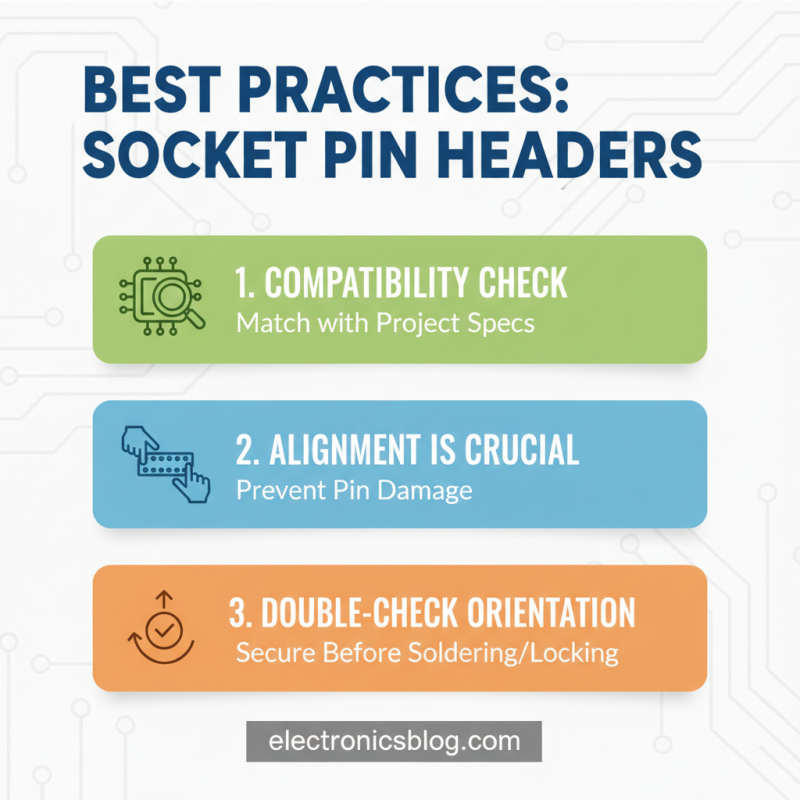
When selecting a Socket Pin Header, consider the project's specifications. The pitch, number of pins, and material are critical factors. For instance, a 2.54mm pitch is standard for many applications, but specific projects may need different sizes. It's also vital to ensure compatibility with your PCB layout. If the header doesn’t fit properly, it can cause connection failures.
Experience shows that many engineers overlook the importance of quality in Socket Pin Headers. Some opt for cheaper options, only to face reliability issues later. Choosing trusted brands may cost more upfront but could save time and trouble in the long run. Reflect on your decisions and remember that a small component can significantly impact overall performance.
Understanding the Basics of Socket Pin Headers and Their Functions
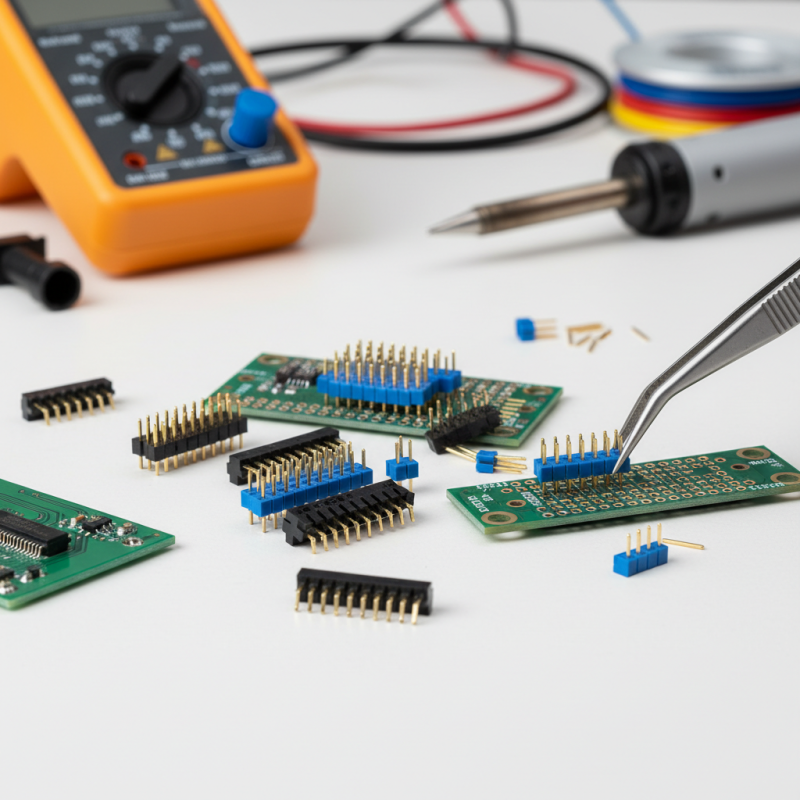
Socket pin headers are essential components in many electronic projects. They serve as the interface between a circuit board and various connectors or modules. Understanding how they function can significantly enhance a project’s design. Typically, socket pin headers allow for easy connections and disconnections, making them ideal for prototyping. Their versatility is crucial in applications ranging from robotics to automation systems.
When selecting a socket pin header, consider pin count, spacing, and orientation. The pin count should match your project’s needs. Common configurations include 2, 4, or 6 pins in a single row. Spacing is equally important; standard options include 2.54mm and 1.27mm. The orientation can be vertical or horizontal, affecting how components fit together.
**Tips:** Always double-check the datasheet for specifications. This ensures you select the right header. Testing a few options in prototype stages can save time later. Be prepared for adjustments. Sometimes, what seems suitable initially may not work in the real world. Reflect on past projects and learn from those experiences.
How to Choose the Right Socket Pin Header for Your Project? - Understanding the Basics of Socket Pin Headers and Their Functions
| Header Type |
Pin Count |
Pitch |
Current Rating |
Mounting Type |
Typical Use Cases |
| Standard Pin Header |
2-40 |
2.54 mm |
1 A |
Through Hole |
Microcontrollers, Prototyping |
| Right Angle Pin Header |
2-40 |
2.54 mm |
1 A |
Through Hole |
PCB Connections, Space-constrained Applications |
| Surface Mount Pin Header |
2-30 |
1.27 mm |
1 A |
Surface Mount |
Compact Electronics, Mobile Devices |
| Stackable Pin Header |
4-20 |
2.54 mm |
1 A |
Through Hole |
Expansion Boards, Add-on Modules |
| Heavy Duty Pin Header |
2-12 |
3.96 mm |
3 A |
Through Hole |
Power Connections, Industrial Applications |
Key Specifications to Consider When Selecting Socket Pin Headers
When selecting socket pin headers, it's crucial to consider several key specifications. Pin pitch is one of the most important factors. Standard pitches are often 2.54mm and 1.27mm. Choosing the wrong pitch can lead to compatibility issues with connectors and PCBs. According to industry reports, nearly 30% of failed connections stem from improper pin pitch selection.
Another vital specification is the current rating. Different projects may require headers that support varied current levels. High-power applications often demand headers with a rating of at least 3A. In contrast, low-power applications may work with headers rated for 1A. Data indicates that headers with inadequate current ratings are responsible for 25% of thermal failures in circuit designs.
Finally, consider the number of positions required. Some projects may need a minimal connection, while others require extensive arrays. A mismatch here can complicate the design process. Too often, engineers overlook this aspect, leading to unnecessary redesigns. By paying attention to these specifications, the likelihood of project success increases significantly.
Evaluating Compatibility: Matching Socket Pin Headers with PCB Designs
When evaluating socket pin headers for your PCB design, compatibility is key. Begin by examining your board’s layout. Check the pin spacing, as incorrect spacing may cause assembly issues. The standard spacings vary, and selecting the wrong one can lead to frustration during the soldering process.
Next, consider the through-hole or surface-mount technology. Through-hole headers are often easier for prototyping, while surface-mount can save space. Inspect the PCB's drill holes for through-hole headers. An improperly sized hole can result in a poor fit. For surface-mount types, ensure your pads align correctly with the header pins.
Lastly, think about the electrical requirements. Header ratings, including voltage and current limits, are crucial. A mismatch here can lead to overheating or failure. Don't overlook the material quality of both the headers and your PCB. Poor material choices can diminish reliability. Assessing these factors thoroughly increases your project’s success likelihood.
Common Applications of Socket Pin Headers in Electronics Projects
Socket pin headers are crucial components in electronics projects. They offer reliable connections between circuit boards and peripherals. Their versatility makes them widely used in various applications. These include connecting microcontrollers, sensors, and other modules. Such connections ensure data transfer and power supply.
For instance, prototyping is a common use case. Engineers often utilize socket pin headers to test new circuits. This approach allows easy modifications during the design phase. However, it's essential to choose the right type of socket pin header. Mismatched sizes can lead to unreliable connections.
Tips: Always check pin spacing and alignment before purchasing. Consider the current rating and environmental conditions as well. For outdoor projects, opt for headers with protective coatings. When soldering, pay attention to avoid cold joints. Each step in your assembly process matters. Consider experimenting with different types before finalizing your choice.

 Email
Email WeChat