How to Choose the Right High Speed Connector for Your Needs in 2025
In an increasingly connected world, the demand for efficient and high-performance data transmission continues to rise. As we look ahead to 2025, businesses and individuals alike will require reliable solutions that meet their specific connectivity needs. One of the pivotal components in this landscape is the High Speed Connector, which plays a critical role in ensuring seamless communication between devices. Understanding how to choose the right High Speed Connector can greatly influence the overall performance of communication systems, making it essential for users to navigate the myriad options available.
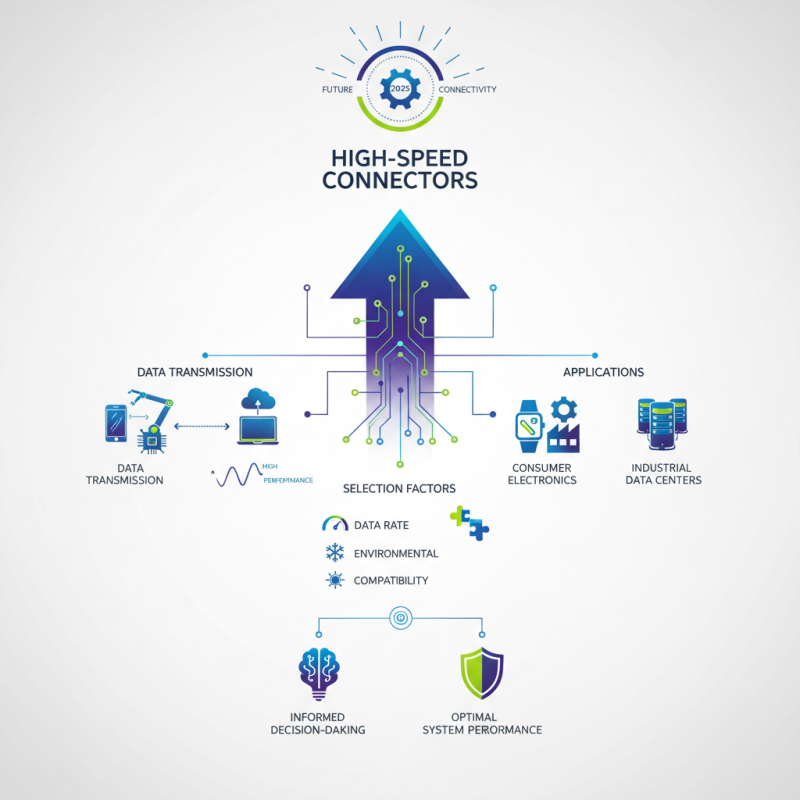
Selecting the appropriate High Speed Connector involves considering several factors, such as data rate, environmental conditions, and compatibility with existing technology. The proliferation of applications ranging from consumer electronics to industrial automation adds complexity to the selection process, necessitating a thorough evaluation of technical specifications and intended use cases. With advancements in technology and a growing emphasis on efficiency, having a comprehensive understanding of the characteristics that define High Speed Connectors will not only facilitate informed decision-making but also pave the way for optimal system performance in the coming years.
Overview of High Speed Connectors: Types and Applications
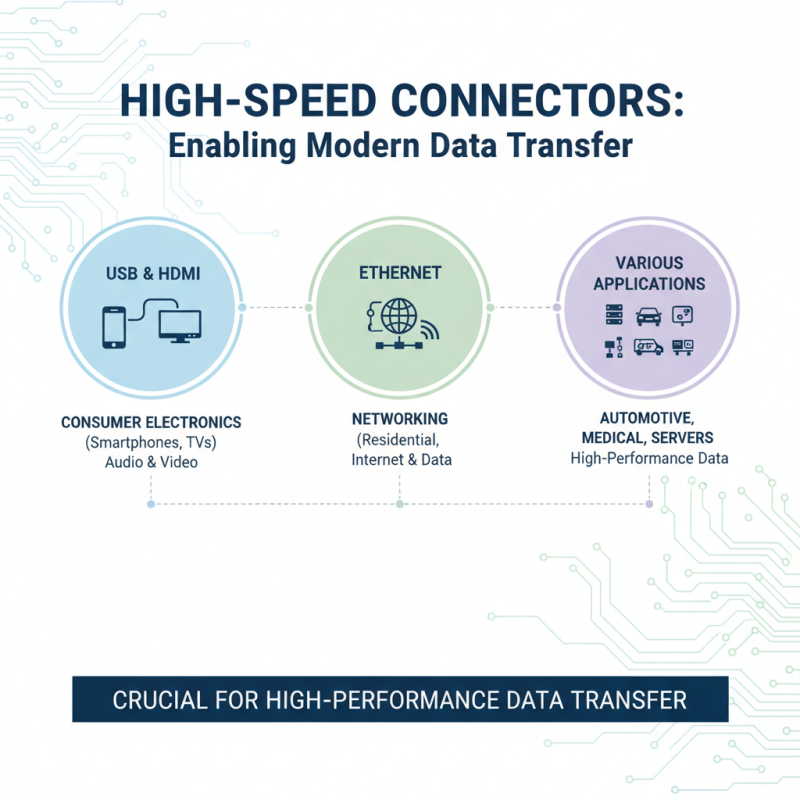
High-speed connectors are crucial components in modern electronics, enabling high-performance data transfer in various applications. There are several types of high-speed connectors, each designed to meet specific requirements. For instance, USB and HDMI connectors are widely used in consumer electronics, such as smartphones and televisions, providing efficient connectivity for audio and video data. Meanwhile, Ethernet connectors are essential for networking applications, ensuring reliable and fast internet connections in both residential and commercial environments.
In more specialized fields, optical connectors play a vital role in telecommunications and data centers by facilitating high-bandwidth data transfers over long distances. These connectors are designed to minimize signal loss and enhance performance, making them ideal for applications requiring extensive data throughput. Additionally, rugged connectors are designed for industrial applications where durability and resistance to environmental factors are critical. Understanding the types of high-speed connectors available and their specific applications is essential for making informed choices to meet future connectivity needs.
Key Factors to Consider When Selecting High Speed Connectors
When selecting high-speed connectors, there are several key factors to consider to ensure optimal performance for your specific needs in 2025. One of the primary considerations is the data rate requirements of your application. Different connectors are designed to handle varying speeds, so it’s essential to evaluate your bandwidth needs to avoid bottlenecks that can impact functionality.
Another crucial factor is the physical size and durability of the connector. As devices become more compact, choosing a connector that fits within limited spatial constraints while providing robust performance is vital. Look for connectors made from materials that can withstand environmental stressors, ensuring longevity and reliability in various settings.
**Tips:** Pay close attention to compatibility with existing systems. Ensure that the connectors you choose can easily integrate with other components to prevent connectivity issues. Additionally, consider future scalability: opt for connectors that can accommodate potential upgrades or expansions in technology to extend the lifecycle of your devices.
How to Choose the Right High Speed Connector for Your Needs in 2025
| Connector Type |
Max Data Rate (Gbps) |
Temperature Range (°C) |
Connector Size (mm) |
Typical Application |
| USB 4.0 |
40 |
-20 to 85 |
8 x 4.5 |
Computers, Monitors |
| PCIe 4.0 |
64 |
0 to 70 |
75 x 23 |
Graphics Cards, Storage Devices |
| Thunderbolt 4 |
40 |
-40 to 85 |
8 x 4.5 |
Docking Stations, External GPUs |
| HDMI 2.1 |
48 |
0 to 70 |
19 x 11 |
TVs, Gaming Consoles |
| DisplayPort 2.0 |
80 |
-20 to 70 |
16 x 4.5 |
Monitors, VR Headsets |
Future Trends in High Speed Connector Technology by 2025
As we look towards 2025, the landscape of high-speed connector technology is poised for significant evolution. The increase in data transfer demands, driven by advancements in artificial intelligence, 5G communication, and the Internet of Things (IoT), is reshaping the requirements for connectivity. High-speed connectors will need to support greater bandwidth, reduced latency, and enhanced reliability, making it essential for designers and engineers to stay informed about emerging technologies and innovations in connector design.
One prominent trend is the rise of optical connectors, which offer superior performance by utilizing light for data transmission. This technology enables exceptionally high data rates over longer distances, making optical solutions ideal for data centers and high-performance computing environments. Additionally, new materials and manufacturing techniques are being developed to enhance durability and performance, ensuring that high-speed connectors can withstand the rigors of modern applications, including harsher environmental conditions. Furthermore, as sustainability becomes a global priority, the shift towards eco-friendly materials and energy-efficient production methods will likely influence the design and choice of connectors in the coming years.
In summary, the future of high-speed connector technology will be marked by advancements that prioritize speed, efficiency, and sustainability. Professionals in the field should prepare to adapt to these trends to ensure that their connectivity solutions meet the demands of an increasingly interconnected world.
High-Speed Connector Market Trends in 2025
This chart illustrates the projected market share distribution of different high-speed connector types in 2025, highlighting the dominance of optical fiber connectors in the evolving tech landscape.
Compatibility and Performance: Ensuring Optimal Integration
When selecting a high-speed connector for your needs in 2025, compatibility and performance should be at the forefront of your considerations. The rapid evolution of technology, particularly in areas like 5G communication and data centers, emphasizes the need for connectors that not only facilitate fast data transfer speeds but also maintain interoperability with existing systems. According to a recent industry report by MarketsandMarkets, the global high-speed connector market is projected to reach $3.5 billion by 2025, driven by the increasing demand for high-performance computing and seamless connectivity.
To ensure optimal integration, it is crucial to evaluate the specifications of high-speed connectors in relation to your existing infrastructure. Key performance metrics such as signal integrity, data transfer rates, and environmental resilience play a vital role in achieving reliable performance. The IEEE predicts that by 2025, the demand for connectors capable of supporting data rates exceeding 100 Gbps will surge, particularly in applications related to cloud computing and AI. As such, choosing a connector that offers not only compatibility with current systems but also the potential for future upgrades is essential for maintaining long-term efficiency and cost-effectiveness.
Best Practices for Maintaining and Upgrading High Speed Connectors
When it comes to maintaining and upgrading high-speed connectors, understanding best practices is essential to ensure optimal performance and longevity. Regular inspection of connectors for any signs of wear and damage can prevent costly downtime and connection failures. Make it a habit to clean connectors regularly using appropriate cleaning solutions to remove dust, debris, or any corrosion that might interfere with connectivity. A clean connector will not only perform better but will also have a longer lifespan.
Tips for maintaining high-speed connectors include avoiding excessive bending of cables, which can lead to physical damage over time. Always store connectors in a dry and organized environment to prevent any potential mishaps. Additionally, consider upgrading to the latest connector standards to take advantage of improved data transfer rates and reliability. Staying informed about advancements in connector technology can help you choose the right upgrades that align with your specific needs.
Furthermore, always keep your equipment up-to-date with the latest firmware or software updates that may impact connector performance. Conduct regular system tests to ensure that all components work seamlessly. Monitoring the performance metrics can provide insights into any issues that may arise, allowing preemptive measures to be taken before problems escalate, ensuring smooth operation in high-speed data environments.

 Email
Email WeChat