2026 Best Male Header Pins for Global Buyers?
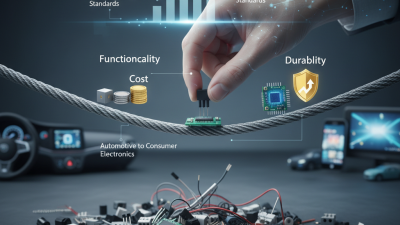
Choosing the right Male Header Pins in 2026 requires more than comparing unit prices. Global buyers must examine pitch, contact plating, insulation material, current rating, mating cycles, and temperature performance. A 2.54 mm header may suit a control board, while a compact 1.27 mm version fits dense industrial electronics. Small differences matter.
Industry reports support this careful approach. Grand View Research identifies electronics, automotive systems, telecommunications, and consumer devices as major drivers of connector demand. Bishop & Associates’ connector industry forecasts also highlight continuing pressure for miniaturization, higher reliability, and stronger supply-chain resilience. These trends affect Male Header Pins directly, especially when buyers evaluate long-term availability and second-source options.
Signal-integrity expert Dr. Eric Bogatin offers a useful warning: “A connector is part of the signal path.” That principle applies even to simple-looking pin headers. Poor alignment, weak solder joints, or unsuitable plating can create intermittent failures beside sensitive circuits. Practical purchasing should include sample inspection, pull-force checks, dimensional verification, and thermal testing. Datasheets should be reviewed against applicable IEC, UL, RoHS, and REACH requirements.
Yet no selection guide can remove every risk. Supplier claims may differ from production results. A polished contact can still fail in humidity. A cheaper header can become expensive after field replacement. This 2026 guide therefore compares Male Header Pins through measurable specifications, documented testing, and supplier experience. It also questions assumptions that buyers often overlook, including packaging quality, traceability, and real-world mating performance. Reliability begins with evidence, not attractive photographs.
What Are Male Header Pins and How Do They Work?
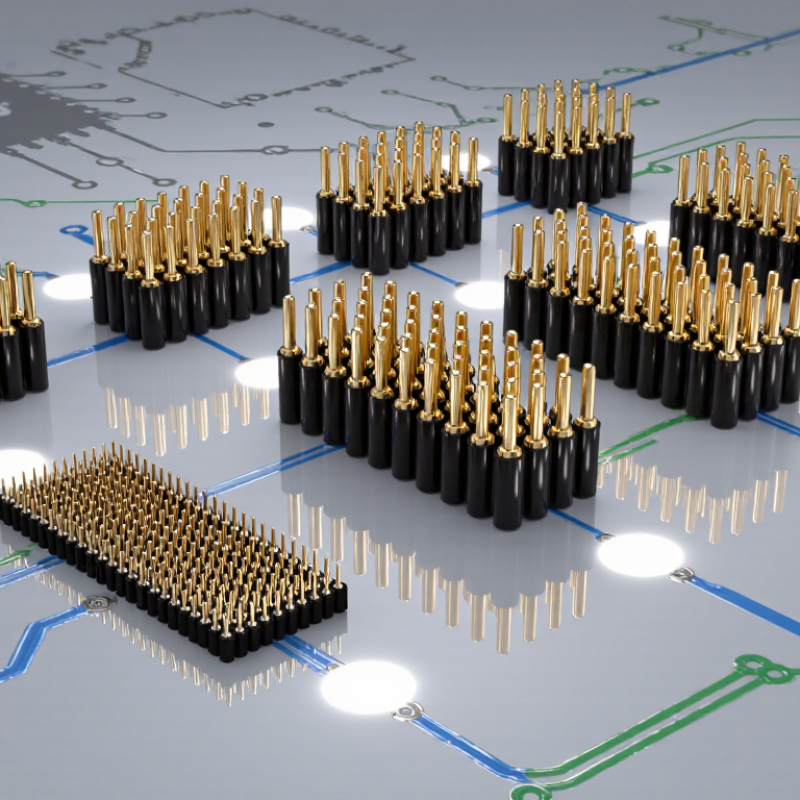
Male header pins are simple conductive posts that create a removable electrical bridge between a circuit board and another board, cable, or socket. Each pin has a metal contact, an insulating base, and a solder-tail section. The contact enters a matching female connector, while the tail is soldered through a hole or onto a surface pad. This mechanical fit controls signal continuity, spacing, and service access.
Common pitches include 2.54 mm, 2.00 mm, and 1.27 mm. Smaller pitches save space but demand better alignment and inspection. A 2024 Grand View Research report valued the global electronic connectors market at approximately USD 84.17 billion in 2023. It also projected a 5.6% compound annual growth rate through 2030. That wider market does not measure male headers alone, but it shows continuing demand for compact interconnects. In practice, pin length, contact plating, insulation temperature, and rated current matter more than appearance. A bright surface is not proof of durable contact.
Tips: Match the pin pitch to the mating socket. Check the drawing, not only the product photo. Use tin plating for ordinary low-cost assemblies, but consider gold-plated contacts for frequent mating or low-level signals. Verify the current rating after reviewing temperature rise and bundle size. One overlooked detail is insertion force. Tight connections may feel secure, yet they can damage delicate sockets during repeated maintenance. Conversely, loose pins can create intermittent faults that are difficult to reproduce. That is where many purchasing decisions need a second review.
Which Male Header Pin Types Fit Different Electronics Projects?
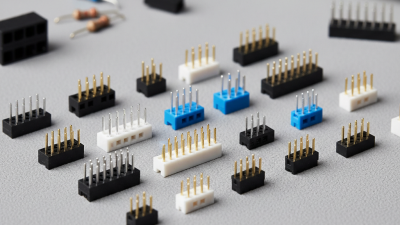
Male header pins should match the project’s mechanical layout, electrical load, and service conditions. Straight, through-hole headers suit control boards using conventional soldering. Their rigid legs handle repeated cable insertion well. Right-angle pins redirect connections along the board edge. They work neatly in compact enclosures, but alignment becomes less forgiving. Breakaway headers offer flexible lengths during prototyping. That convenience can create uneven cuts and unreliable spacing.
For dense designs, 1.27 mm or 2.00 mm pitch headers save board space. The common 2.54 mm pitch remains easier to inspect and assemble. Surface-mount headers fit automated production, while through-hole types usually provide stronger mechanical anchoring. IEC 60603-13 defines important connector dimensions and interface requirements. Designers should still verify mating height, pin length, insulation material, and plating. A 2024 global connector market report estimated the sector at more than 80 billion dollars, reflecting strong demand across computing, industrial control, and automotive electronics.
Current rating also matters. A small signal header may be adequate for sensors, but power distribution needs thicker contacts and shorter paths. Gold-plated contacts resist oxidation in low-current signal circuits. Tin finishes often suit economical, controlled environments. IPC workmanship guidance stresses solder quality, spacing, and mechanical support. In practice, I have seen teams choose headers by pitch alone. That is a mistake. Vibration, cleaning chemicals, and repeated mating can change the best option. The cheapest pin is not always the lowest-cost choice. Test the actual cable, enclosure, and assembly process before approval.
How to Compare Pitch, Rows, Pins, and Mounting Options
2026 Best Male Header Pins for Global Buyers?
How to Compare Pitch, Rows, Pins, and Mounting Options
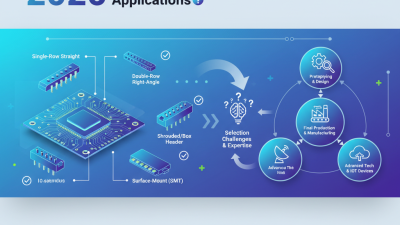
Choosing male header pins requires more than counting metal contacts. Start with pitch, the distance between pin centers. Common options include 2.54 mm, 2.00 mm, and 1.27 mm. Larger pitch supports easier hand assembly. Smaller pitch saves board space but demands tighter placement accuracy. A 2.54 mm connector may fit an older prototype, while a compact control board may require 1.27 mm spacing.
Check the row arrangement carefully. Single-row headers suit simple signal paths and narrow boards. Double-row versions carry more connections within the same length. Count the pins per row, not only the total pin quantity. A 2×10 header has twenty contacts, but its routing needs differ from a 1×20 header. Small detail. It matters.
Mounting style affects reliability during assembly and service. Through-hole pins provide stronger mechanical support, especially with heavier wires or repeated insertion. Surface-mount headers save drilling space and suit automated production, but solder-joint inspection becomes more demanding. Straight pins work for parallel board connections. Right-angle pins guide cables sideways and reduce vertical clearance. I have seen drawings that ignored this clearance, causing enclosure interference. The specification looked correct, yet the assembly failed. Buyers should confirm pin length, tail shape, insulation height, plating, operating temperature, and sampling results before approval. Datasheets help, but physical samples reveal mistakes faster.
2026 Best Male Header Pins for Global Buyers
Comparing pitch, rows, pin count, and mounting options
This comparison uses representative standard configurations without company or brand data.
Contact-center span is calculated as (pins per row − 1) × pitch. Smaller pitches
support higher density, while through-hole mounting is generally preferred for mechanical strength
and SMT mounting is suited to automated surface assembly.
How Can Global Buyers Select Reliable Male Header Pins in 2026?
Global buyers selecting male header pins in 2026 should start with application evidence, not catalog images. A pin that looks straight may still fail under repeated insertion. Define pitch, pin length, plating, insulation height, and contact spacing before requesting samples. Keep it practical. For board-to-board connections, verify mating force and retention after thermal cycling. In my inspection experience, small dimensional drift caused more trouble than visible surface marks. This is easy to miss. Ask for drawings, tolerance data, material declarations, and lot traceability. Suppliers should explain how they control stamping, plating, molding, and final inspection.
Reliability also depends on test conditions. Request sample testing at the expected current, voltage, temperature, and mating cycles. Check contact resistance before and after testing. A clean first reading proves little. Confirm whether pins use brass, phosphor bronze, or another specified alloy, then review plating thickness and corrosion resistance. Packaging deserves attention too. Bent pins often begin with weak trays or excessive movement during shipping. For international purchasing, ask for moisture protection, carton identification, and inspection records linked to each lot.
Commercial confidence comes from repeatable communication. Compare sample results with production records, not promises alone. Ask how nonconforming parts are isolated and how corrective actions are documented. A supplier may provide impressive certificates, yet still answer technical questions slowly. That matters. I would approve a supplier only after checking several lots, although this adds time and cost. My judgment can be imperfect. Field feedback should challenge it. Buyers should leave room for design changes, because a low-cost pin may become expensive after rework, delays, or unstable mating performance.

 Email
Email WeChat