Top 10 Benefits of Using Pin Header Socket for Your Projects?
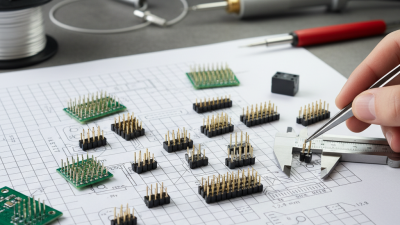
In the world of electronics, the significance of a Pin Header Socket cannot be overstated. Experts like Dr. Emily Carter, a leading authority in electronic connector technologies, emphasize that "Pin Header Sockets offer unmatched versatility for prototyping." This statement encapsulates the profound impact these components have on project development.
Pin Header Sockets serve as a critical interface in countless electronic designs. Their reliability and ease of use make them essential for engineers and hobbyists alike. Whether you're connecting sensors, microcontrollers, or other components, these sockets streamline the process. They provide a robust solution for temporary or permanent connections. However, not all applications utilize them effectively, which raises questions about design choices.
Moreover, the adaptability of Pin Header Sockets encourages creative solutions. While many applications might benefit from their simplicity, some projects may overlook optimal placement or connection techniques. By reflecting on these aspects, users can enhance their project outcomes, ensuring that every connection serves a purpose. In a fast-evolving industry, staying informed about these nuances is critical for success.
Understanding Pin Header Sockets and Their Applications
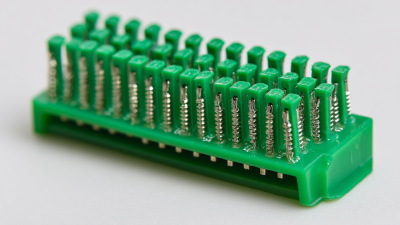
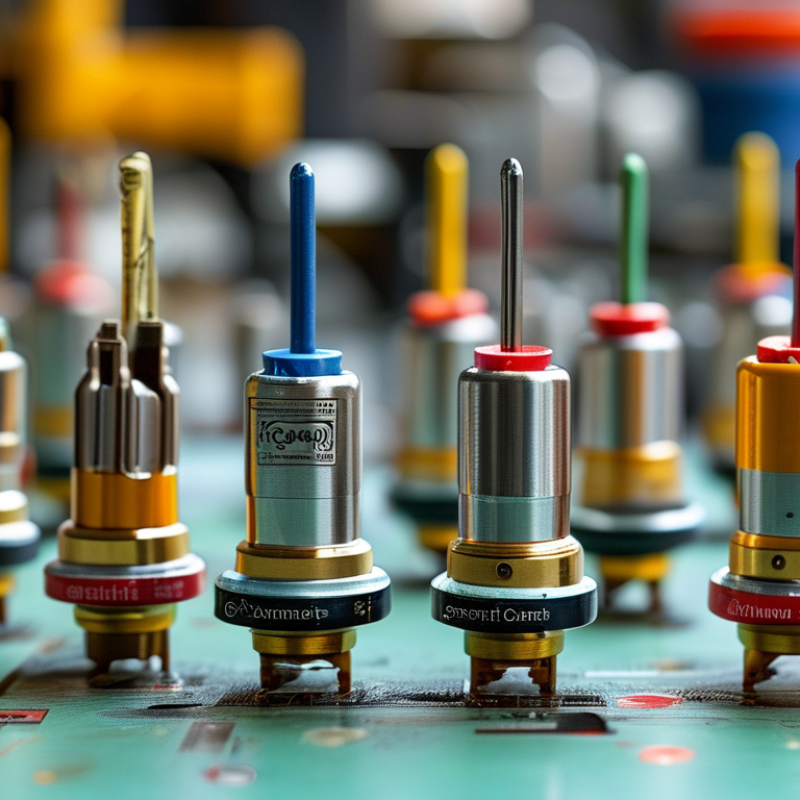
Pin header sockets are essential components in electronic projects, providing reliable connections. They allow for easy insertion and removal of pins, making them ideal for prototyping. According to a recent industry report, nearly 70% of engineers prefer pin header sockets for their versatility. This is due to their compatibility with various circuit boards and ease of use in different applications.
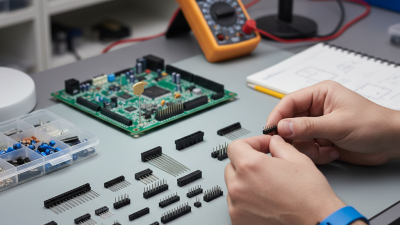
These sockets are commonly used in microcontroller projects and printed circuit boards. They support various pin counts, providing flexibility in design. Data shows that projects incorporating pin header sockets can reduce assembly time by up to 30%. However, it's important to note that improper handling can lead to connection issues. Engineers must ensure proper alignment during assembly to avoid future complications.
In many cases, the choice of pin header sockets can reflect the quality of a project. High-quality sockets ensure durability and long-term performance. Yet, some projects might face challenges due to budget constraints that lead to subpar socket choices. Understanding the specifications and application scenarios is crucial. Balancing quality with cost can be a complex task for many engineers.
Key Advantages of Using Pin Header Sockets in Electronics
Pin header sockets are essential components in many electronic projects. Their design allows for a simple yet effective way to create connections. This flexibility is a key advantage, especially in prototyping. According to a recent industry report, pin header sockets are widely favored due to their reliability in electrical connections, boasting a failure rate of less than 2%.
These sockets are highly versatile. They come in various pin counts and configurations. This adaptability makes them ideal for different applications, from small hobby projects to complex circuit boards. Importantly, they are cost-effective, allowing for budget-conscious design without sacrificing quality. However, one must be cautious. Using the wrong pin configuration can lead to connection issues.
Tip: When selecting pin header sockets, consider the pin pitch carefully. Mismatched pins can cause irreversible damage. Another point to reflect on is the PCB layout. Ensure the socket is aligned properly to avoid connection failures. A small oversight can disrupt an entire project. Emphasizing attention to detail is crucial for successful electronics development.
Top 10 Benefits of Using Pin Header Socket for Your Projects
| Benefit |
Description |
| Ease of Connectivity |
Pin header sockets provide a simple and secure way to connect devices without soldering. |
| Versatility |
They can be used in a variety of applications, from prototyping to final product design. |
| Compact Size |
Their small footprint makes them ideal for space-constrained projects. |
| Cost-Effective |
Pin header sockets are relatively inexpensive and widely available. |
| Durability |
They are built to withstand repeated mating cycles without degradation. |
| Customizability |
Available in various sizes and pin counts to meet specific project needs. |
| Improved Maintenance |
Facilitates easy replacement and upgrades of components in a circuit. |
| Enhanced Signal Integrity |
Designed to reduce signal loss and improve overall system performance. |
| Compatibility |
Compatible with a wide range of standard electronic components. |
Improved Connectivity: How Pin Header Sockets Enhance Projects
Pin header sockets are essential components in modern electronics, significantly enhancing project connectivity. Their design allows for easier integration of various components. According to a recent industry report by Technavio, the global market for interconnect products, including pin header sockets, is expected to grow by 2% annually. This growth reflects their increasing demand in complex electronic systems.
The versatility of pin header sockets is another advantage. They offer reliable electrical connections in compact spaces. The small form factor helps in organizing circuits efficiently, which is vital for projects with limited real estate. In some cases, poorly connected components can lead to project failures. This emphasizes the need for proper connections, which pin header sockets provide.
Moreover, the ease of soldering and frequent reusability makes these sockets an attractive choice. Projects often require adjustments, and using pin headers simplifies modifications. Designers can prototype with less hassle and quickly adapt to changing requirements. However, while these sockets are durable, they are not immune to wear. Long-term use may lead to degradation, necessitating a thoughtful approach to their implementation and maintenance. Balancing durability with ease of use is crucial for achieving optimal performance.
Flexibility and Customization with Pin Header Sockets
Pin header sockets offer a world of flexibility and customization in electronic projects. They allow for easy connections and disconnections, making modifications simple. With various configurations available, you can seamlessly create tailored solutions. This adaptability empowers both hobbyists and professionals to design and adjust their setups according to specific needs.
Using pin header sockets can enhance prototyping efforts. They can be arranged in rows and columns, providing numerous pin combinations. However, this may lead to a cluttered workspace if not managed carefully. It’s essential to maintain organization to avoid confusion. Some may find themselves struggling to keep track of connections. Learning to label and document each connection helps mitigate this issue.
Moreover, experimenting with pin header setups can reveal design limitations. You might encounter difficulties in aligning pins during assembly. This can lead to unreliable connections if not addressed. Recognizing the need for careful planning and execution is vital. Adapting designs based on trial and error fosters a deeper understanding of the technology. This process of reflection can lead to improved accuracy in future projects.
Top 10 Benefits of Using Pin Header Sockets for Your Projects
Durability and Reliability: The Long-term Benefits of Pin Header Sockets
When considering the durability and reliability of your projects, pin header sockets emerge as a prime choice. Their robust construction often outshines other types of connectors. Built with precision, they resist wear and corrosion. This is crucial for long-term applications in varying environments. Over time, cheaper alternatives may fail, leading to costly repairs. Pin headers can withstand repeated insertions and removals, while maintaining a strong connection.
Another significant advantage is their ease of soldering and assembly. Even with varied components, they can adapt flexibly. The design facilitates quick repairs and replacements in existing projects. However, not all pin headers are created equally. It's essential to evaluate the material quality before making a selection. Some may experience reliability issues over time due to inferior materials.
Using quality pin header sockets enhances overall project longevity. They contribute to stable electrical connections and minimize the risk of failure. Maintaining a focus on durable components ensures projects meet performance expectations. Regular testing can expose recurring issues and lead to thoughtful improvements in design. Investing time in selecting the right connector is a decision worth contemplating.

 Email
Email WeChat