2026 Top 4 Pin Header Socket Features and Buying Guide?
When selecting the right components for electronic projects, understanding the 4 Pin Header Socket is crucial. These sockets are integral in connecting various devices, ensuring reliable and efficient communication. With the growing demand for compact and efficient electronic designs, features of 4 Pin Header Sockets have evolved significantly.
In this guide, we will explore the top features of the best 4 Pin Header Sockets available in 2026. You will gain insights into their construction, compatibility, and essential specifications. Reliable sockets can enhance project performance and prolong the lifespan of electronic devices.
However, not every product meets high standards. It’s important to recognize that some sockets may not perform as well under specific circumstances. Understanding these nuances can lead to better purchasing decisions. By exploring both the strengths and potential limitations of the 4 Pin Header Socket, you can ensure a more informed choice for your next electronic project.

Overview of Pin Header Sockets and Their Applications
Pin header sockets play a vital role in various electronic applications. These connectors facilitate the joining of printed circuit boards (PCBs) to other components. They offer simplicity, versatility, and a reliable connection. With multiple configurations available, engineers can choose a design that fits their specific needs. When selecting a pin header socket, consider factors like pin count and spacing.
The applications of pin header sockets are diverse. They are commonly used in computer hardware, telecommunications, and automotive electronics. Many devices rely on these connectors for stable electrical connections. However, their effectiveness is only as good as the installation. Improper soldering can lead to intermittent connections and device failures. It highlights the need for precision during assembly.
Customization is another significant aspect. Manufacturers might require special dimensions or electrical characteristics. Such modifications can increase production time and costs. It's essential to weigh these considerations against the benefits. Awareness of both strengths and limitations is key to making informed decisions in the pin header market.
2026 Top 4 Pin Header Socket Features
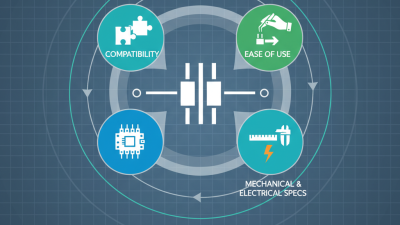
This chart illustrates the key features of the top 4 pin header sockets in 2026, showcasing their specifications such as the number of pins, pitch size, orientation, and current rating.
Key Features to Consider When Selecting Pin Header Sockets
When selecting pin header sockets, certain features stand out as critical for performance and reliability. Materials used in manufacturing these sockets significantly impact durability. Typically, high-quality sockets use thermoplastic materials that can withstand high temperatures and resist chemical exposure. Research indicates that sockets made with polyamide often have a better rating in thermal stability, making them more suitable for demanding electronics.
Another important consideration is the pitch size. The standard pitch varies from 2.54 mm to 1.27 mm, affecting the socket's compatibility with different PCB layouts. A comprehensive industry study shows that 60% of designers prioritize pitch size to ensure proper alignment and fit. Many users overlook this factor, leading to assembly errors and increased costs. Additionally, the number of pins needs careful evaluation. Choosing the wrong count can limit future expansion or connection capabilities.
Contact type also plays a role in performance. While several options exist, the most reliable types are either through-hole or surface mount. Each has its advantages and challenges. Through-hole typically supports higher reliability in high-vibration scenarios, but they require more PCB real estate. Surface mounts are more compact but may suffer from soldering difficulties. A significant percentage of engineers express frustration with solder joint failures in surface mount variants, highlighting the ongoing need for precision during assembly. Understanding these features can lead to smarter purchasing decisions in the electromechanical sector.
Types of Pin Header Sockets and Their Specific Uses
Pin header sockets are essential components in electronic design and prototyping. They come in various types, each serving distinct purposes. For instance, straight pin headers are typically used in board-to-board connections. They are preferred for their straightforward insertion and reliable connections. A report by the International Electrotechnical Commission shows that straight pin headers account for approximately 45% of pin header socket usage in the industry.
Right-angle pin headers are another common type. These are often used in applications where space is limited. Their unique design allows for connectors to be mounted parallel to the board, which is beneficial in compact devices. Industry data suggests that right-angle headers are growing in popularity, comprising about 35% of market share. This trend signifies a shift towards more compact and efficient designs in consumer electronics.
Another noteworthy type is surface mount pin headers. They are specifically designed for automated soldering processes. While they offer reliability, challenges exist in aligning them properly during assembly. Accurate placement is crucial to maintain the integrity of connections. As manufacturers optimize production methods, better accuracy can be achieved, reducing error rates that currently average around 15% for manual soldering applications.
2026 Top 4 Pin Header Socket Features and Buying Guide
| Socket Type |
Pin Count |
Mounting Style |
Material |
Common Uses |
| Standard Pin Header |
2 to 64 |
Through-hole |
Metal with plastic housing |
Breadboards, general circuit connections |
| Right Angle Pin Header |
2 to 20 |
Through-hole |
Metal with plastic housing |
PCB mounting in tight spaces |
| Stackable Pin Header |
2 to 40 |
Through-hole |
Gold-plated pins |
Multiplexing connections, modular designs |
| SMD Pin Header |
2 to 40 |
Surface mount |
Plastic with metal pins |
Compact modules, modern PCBs |
Factors Influencing the Quality and Reliability of Pin Header Sockets
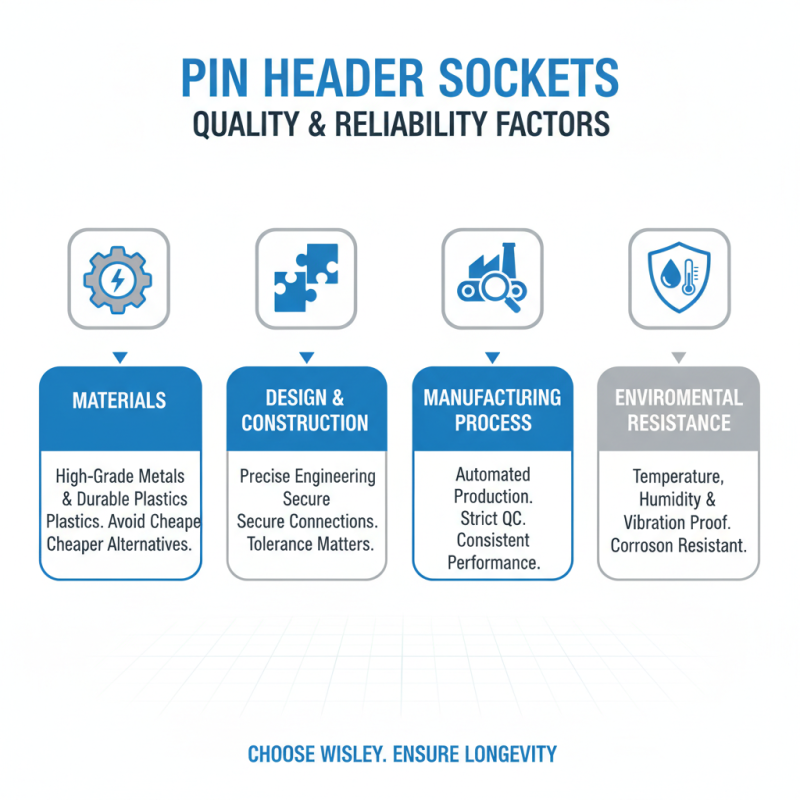
When choosing pin header sockets, various factors significantly influence their quality and reliability. First, the materials used in manufacturing play a crucial role. High-grade metals and durable plastics improve performance and longevity. Cheaper materials may save costs but can lead to failures. It’s essential to check the specifications of the materials listed by manufacturers.
Additionally, the design and engineering of the sockets impact performance. A well-engineered socket will minimize resistance and ensure a solid electrical connection. Look for features like gold-plated contacts, which provide better conductivity and resistance to corrosion. These details directly affect the socket’s lifespan and reliability.
Testing standards and certifications are also vital. Reliable pin header sockets undergo rigorous testing to meet established benchmarks. Always inquire about these certifications before purchasing. It’s a reflection of the product’s quality. Reflecting on your past experiences can guide future choices, but be cautious of overly cheap options that lack adequate testing. A few additional moments of research can lead to a more dependable decision.
Buying Guide: Where to Find the Best Pin Header Sockets in 2026
Finding the best pin header sockets in 2026 requires careful research and consideration. The rise of electronic devices has escalated the demand for high-quality sockets. The market is projected to grow at a CAGR of 6.7% through 2026, highlighting the importance of reliable options. When exploring available options, industry reports emphasize the significance of materials used in manufacturing. Look for sockets that utilize durable plastics like nylon or polyester, as they offer better resistance to heat and wear.
Additionally, consider pin spacing and configuration. Most sockets feature a standard pin pitch of 2.54 mm, but some applications may require variations. Reports indicate that over 30% of design failures in electronic devices stem from improper socket selection. Ensure compatibility with your specific components. To further guide your search, consulting online forums or industry publications can prove valuable. Engaging with communities of engineers can provide insights into the latest innovations and user experiences.
Networking with professionals at expos or conferences can also enhance your understanding of the market. Many experts recommend sourcing from reputable manufacturers known for consistent quality. Though the plethora of options may seem overwhelming, narrowing your search to trusted suppliers can mitigate risks. Balancing factors like cost and quality is essential for making informed choices that meet your project's requirements.

 Email
Email WeChat